
Play Video
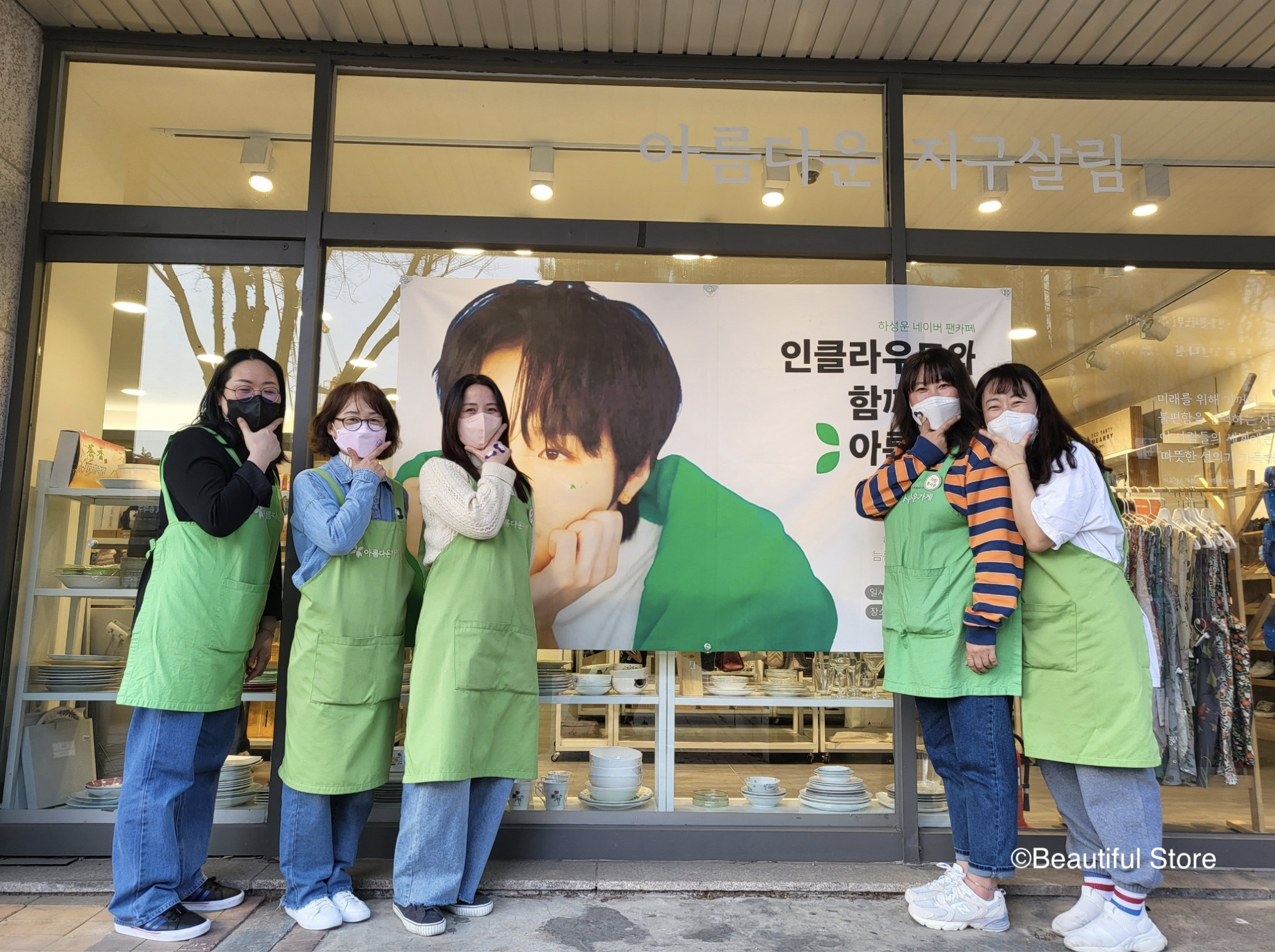
In South Korea, the Beautiful Stores sell second-hand items and products that their team designs using materials that factories would otherwise waste, so that they can be used for longer before being discarded. They also resell environmentally-friendly items that are made with good working conditions, as well as those made by small producers or vulnerable groups. This way, the Beautiful Stores provide people with opportunities to make a difference by producing, buying, sharing their unused items, or volunteering. Additionally, a portion of their profits goes towards supporting community organizations and social entrepreneurs. To reduce and offset their own environmental impact, they have implemented various strategies such as using recycled paper and supporting tree-planting organizations.
info 2022
In South Korea, just like anywhere else, lots of folks worry about inequality, poverty, and how we’re trashing the planet at breakneck speed. But many of them don’t have a clue about how they can make a difference.
How can we make it easier for people to contribute to creating a better world?
About 20 years ago, convinced that the world needs everyone's participation to fight poverty and stop the destruction of the planet, and that all small actions count because "great rivers are made up of little drops of water" the Beautiful Foundation began exploring the idea of opening "charity shops" in Korea, like those that already existed in other countries.
Could strategies like these make my project more self-sustainable? click
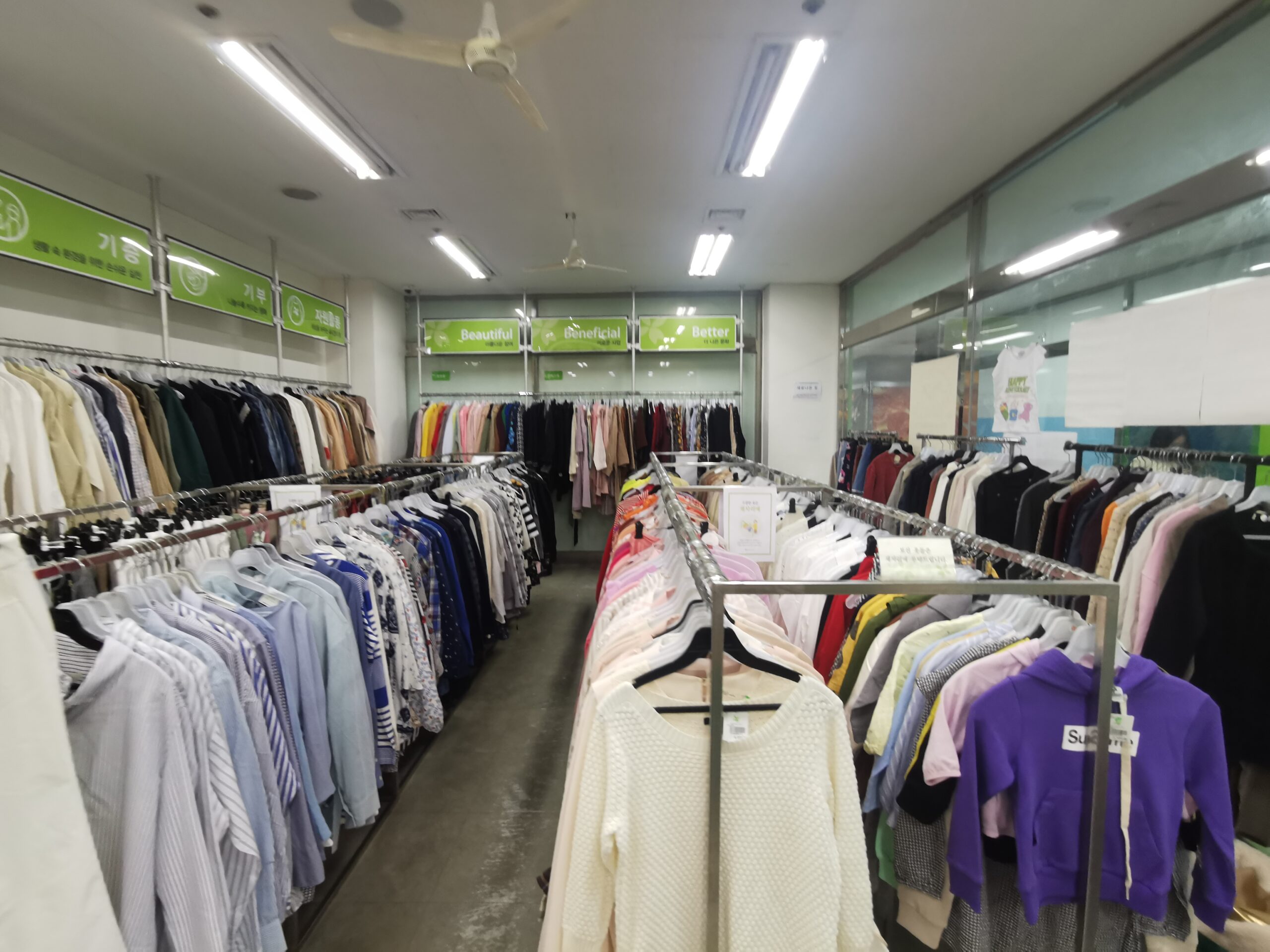
Charity shops collect used clothing that people no longer want or need, and resell it so that others can further use it for a while instead of buying new clothes (which is one of the most polluting activities that exist!). Moreover, although the working models may vary, almost all charity shops allocate a portion of their earnings from the sale of these clothes to support different social causes (see for example Spasibo!). Therefore, this type of shops provide people with the opportunity to contribute in their own small way, either by donating what they no longer need for the shop to sell, or by purchasing and using the products sold by them.
Could strategies like these make my project more self-sustainable? click
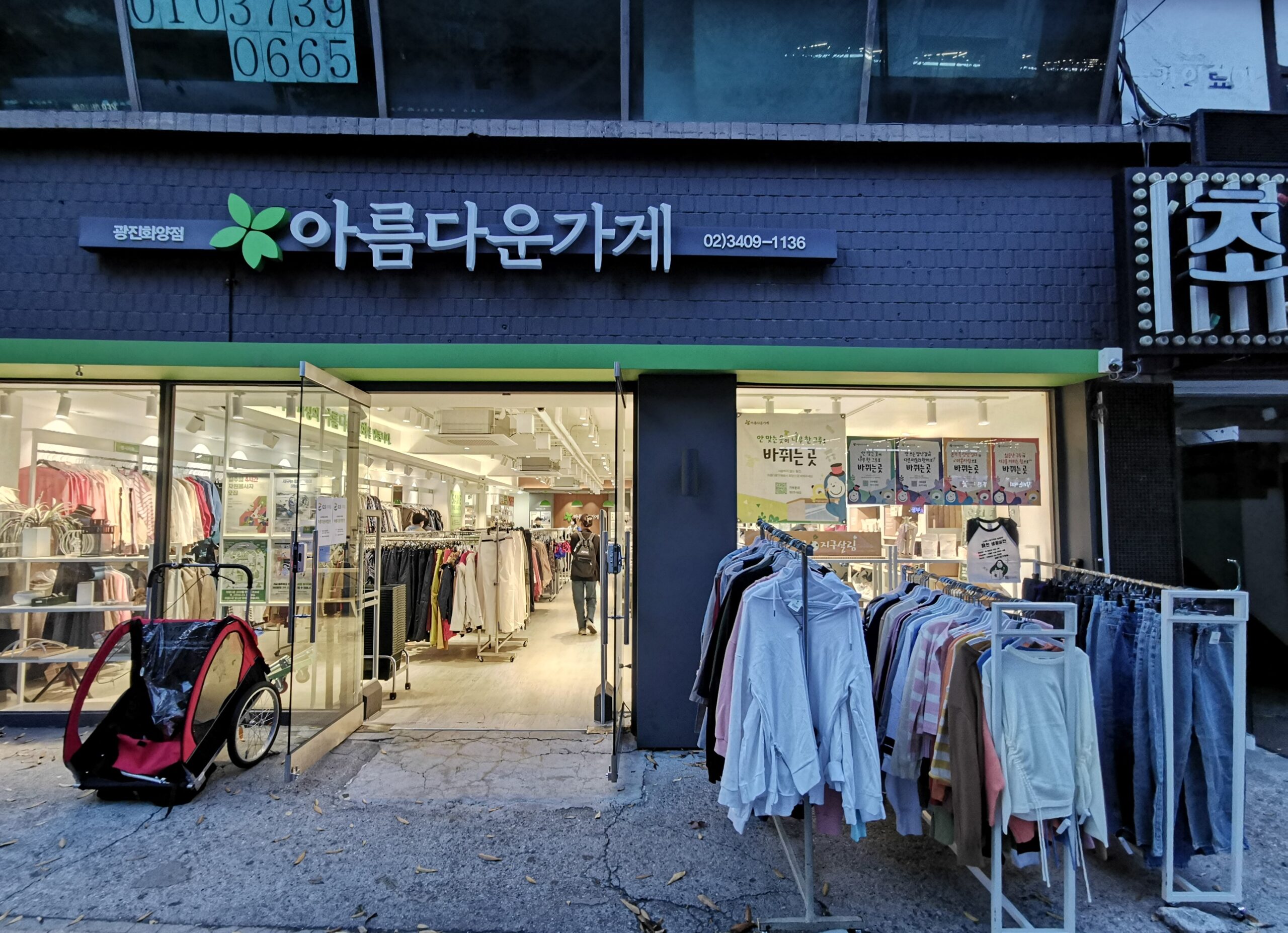
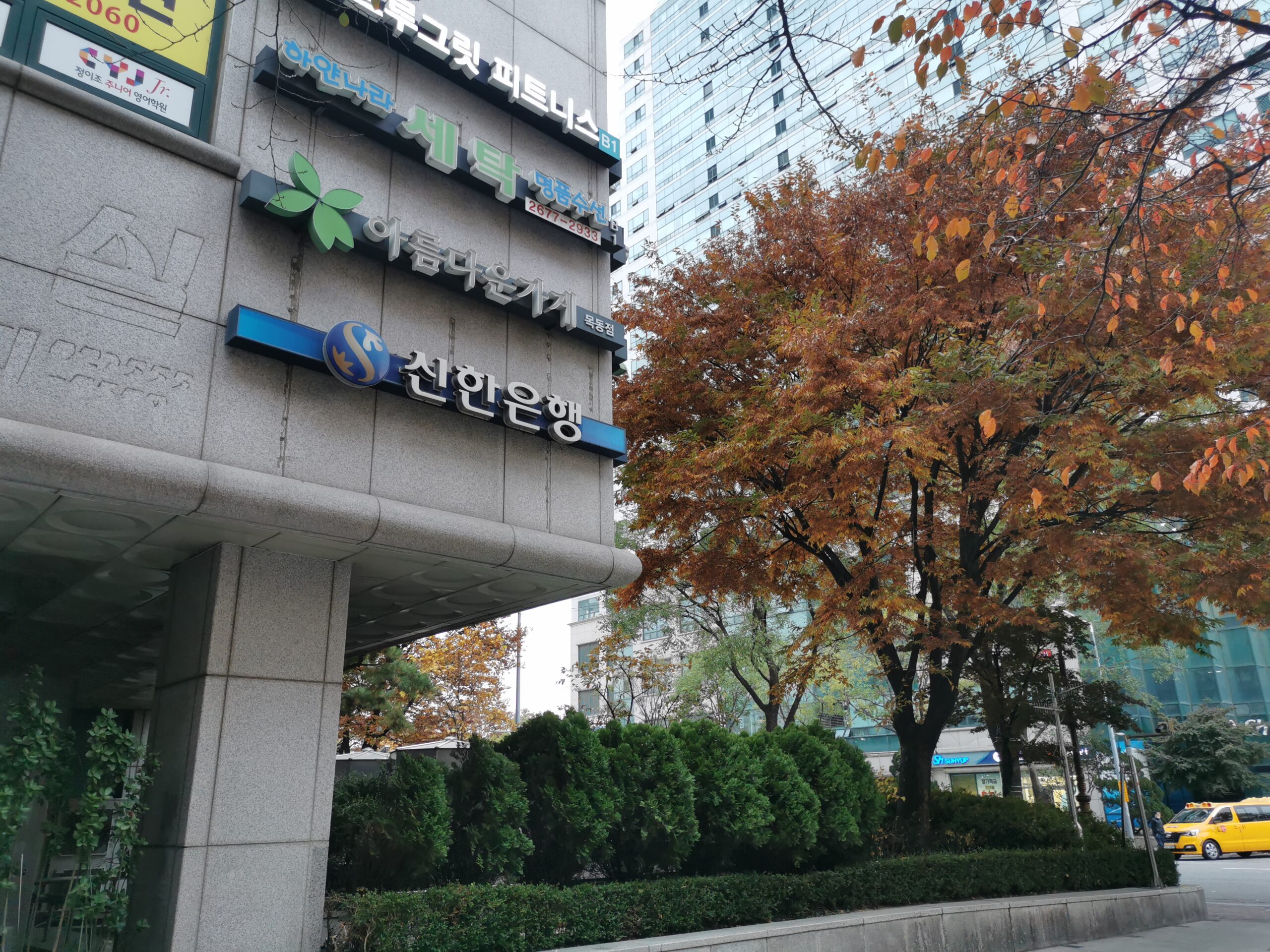
After exploring for a while whether this idea of buying second-hand goods would be accepted by the Korean market, in 2002, the Foundation decided to create a whole chain of stores called "Beautiful Store" (in Korean 아름다운가게), and in just 5 years they had opened about 100!
Could strategies like these make my project more self-sustainable? click
Starting from the basic model of charity shops, Beautiful Stores have been building a very ambitious project to facilitate, in every possible way, that their spaces serve to promote behaviors that help build a world that is fairer and less abusive towards nature. Nowadays they do this by:"
Could strategies like these make my project more self-sustainable? click
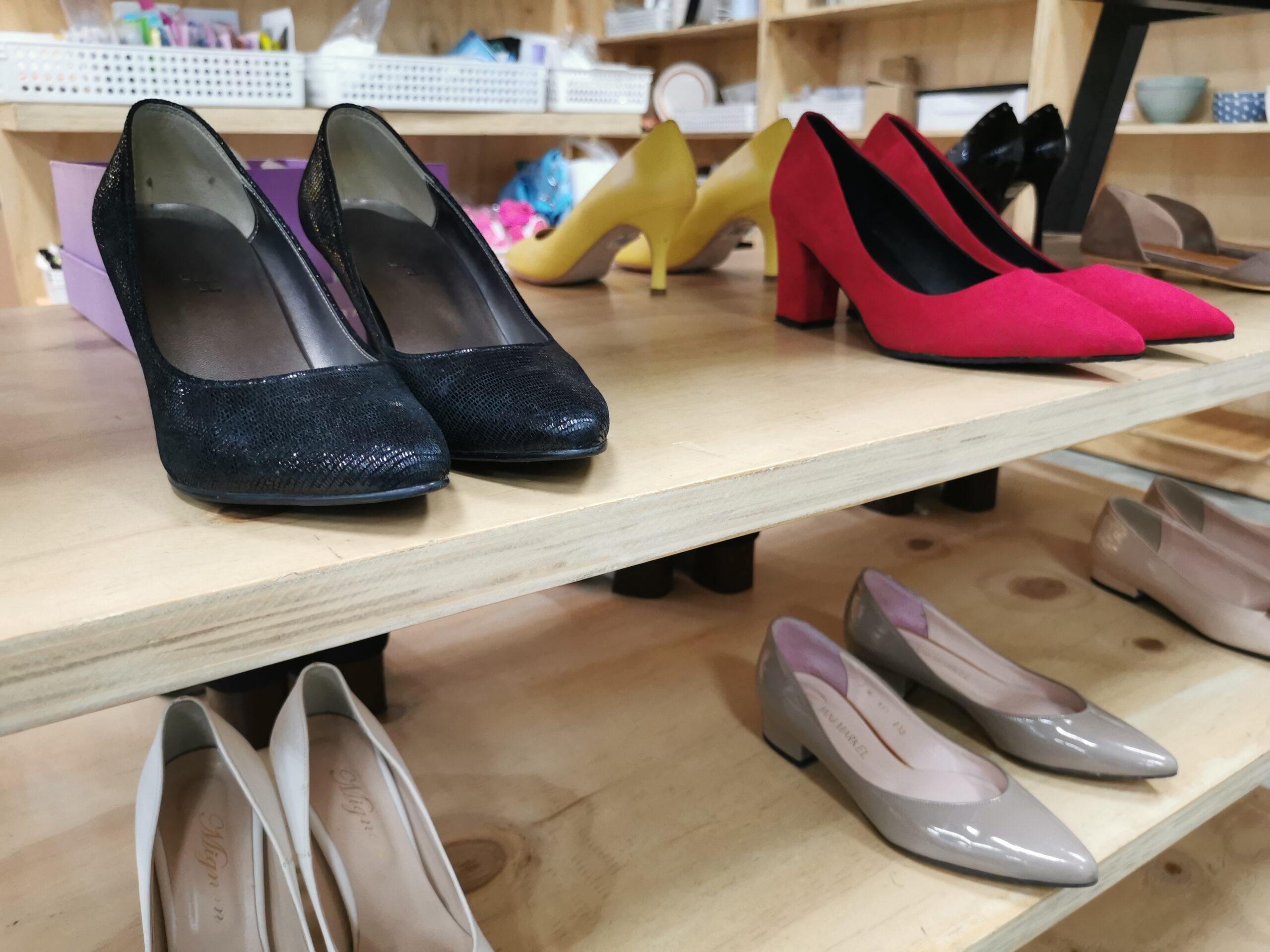
SELLING RECYCLED PRODUCTS. They sell gently used, affordable second-hand products that they obtain through donations at their stores, by offering pick-up service for large donations and for companies that give them unsold stock products (such as jars, utensils, etc.), and by organizing collection drives with some schools. This way, they help prevent these products from going to waste and encourage people to buy fewer new items.
Could strategies like these make my project more self-sustainable? click
SELLING UPCYCLED PRODUCTS. The Beautiful Stores have also hired a team of designers to start their own commercial brand, "Eco Party Mearry", with which they sell handbags, dolls, cushions, and other items that they create from donated items that they are unable to sell or from scraps of fabric and other production remnants that they obtain through B2B agreements with factories (a process known as "upcycling"). As of 2022, the Beautiful Stores have created more than 10,000 upcycled products, using around 3 tons of leather, old clothes, etc. that would have otherwise been directly discarded each year.
Could strategies like these make my project more self-sustainable? click
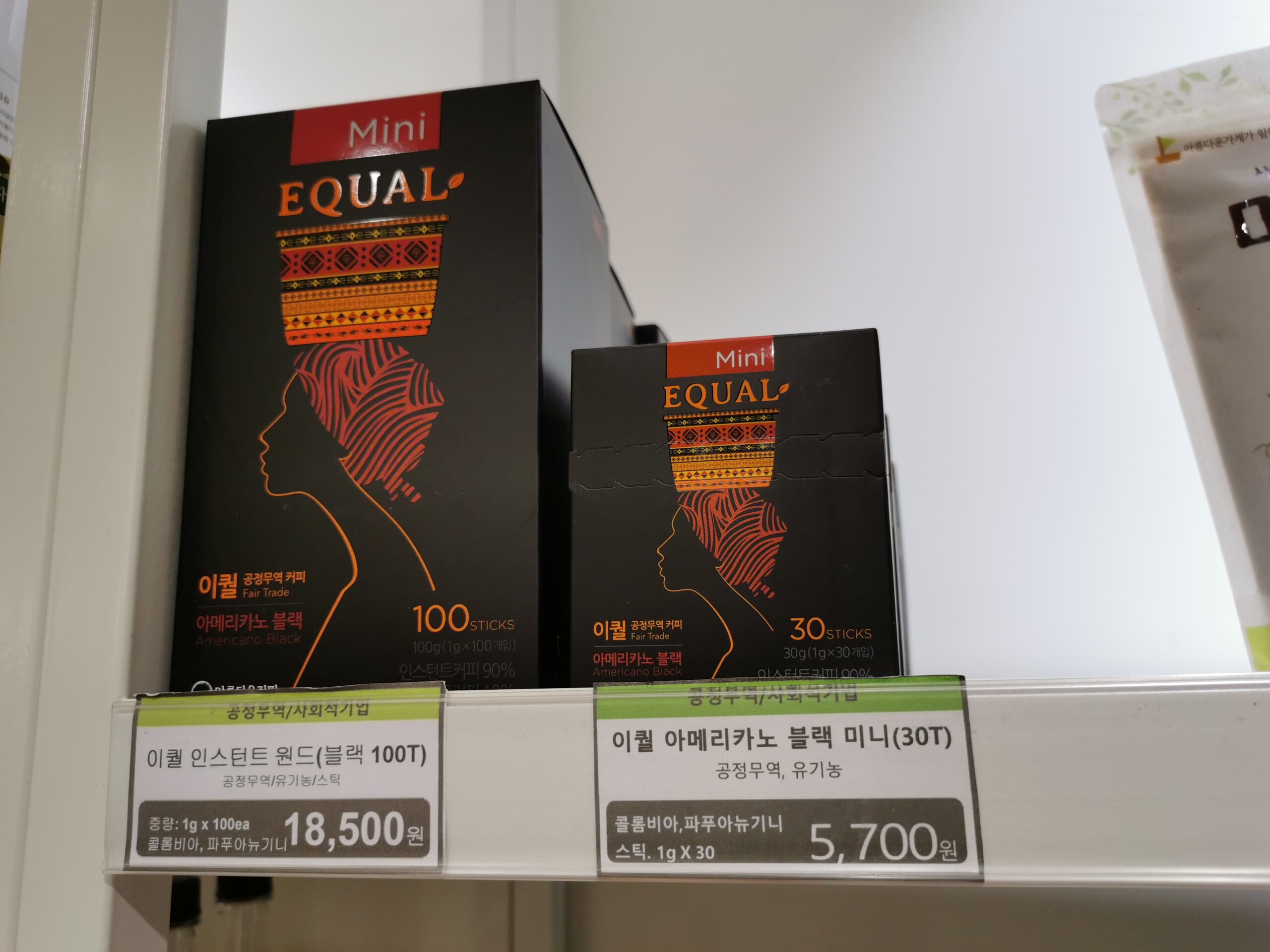
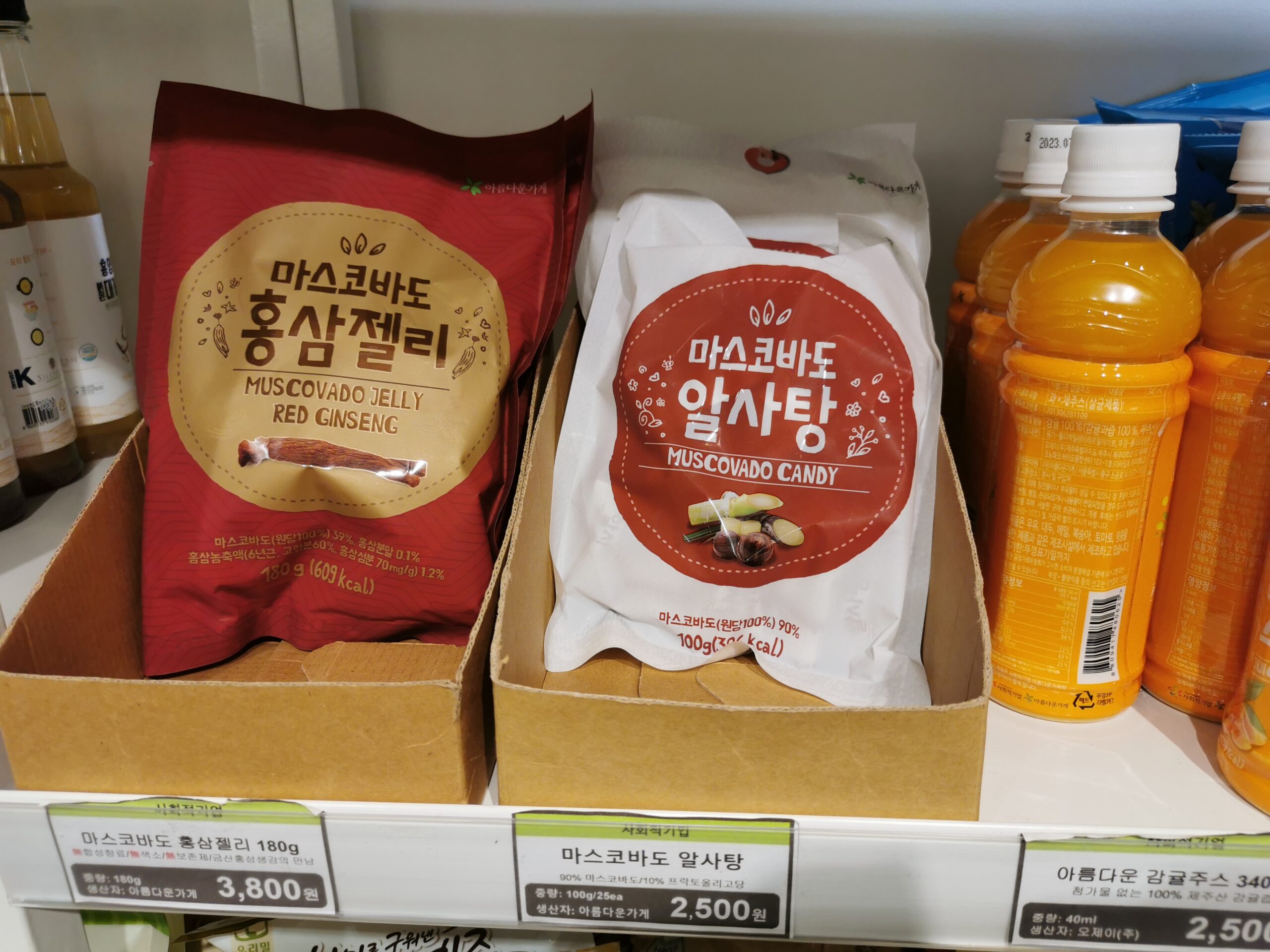
RESELLING PRODUCTS "OF PUBLIC INTEREST". The Beautiful Stores also resell "fair trade" products that they buy from companies that specialize in importing this type of merchandise (that is made by small artisans or vulnerable groups, in a way that doesn't harm the environment and with good working conditions for the workers, etc.). They do this to take advantage of the reach of their stores to promote and introduce these products to potential buyers, thereby helping the groups that produce them, supporting certain social or environmental causes and promoting ethical and environmentally friendly ways of producing, transporting, etc. This way, they offer their customers a direct opportunity to have an impact through their purchases. Some of these products have sold so well in their stores that they were able to become independent and create their own brand, and still, Beautiful Stores continues to sell their products to support them.
Could strategies like these make my project more self-sustainable? click
PRODUCING AND SELLING THEIR OWN PUBLIC INTEREST PRODUCTS. In recent years, Beautiful Stores have been producing their own merchandise to support different groups and causes through their sales. For example, they have partnered with farmers from the Korean island of Jeju to produce bottled tangerine juice, and with the Filipino cooperative of small producers "Laua-an" to make muscovado sugar and organize support programs with their community.
Could strategies like these make my project more self-sustainable? click
SUPPORTING SOCIAL CAUSES WITH PROFITS. Besides helping all these groups, causes, and production methods by selling products, the stores donate more than 10% of the profits from those sales to support local community-grassroot projects or entrepreneurs who are driving interesting initiatives in different parts of the world (called Beautiful Fellows). The Fellows receive monthly maintenance support for 3 years so they can focus on developing and driving their projects, and they are then invited to meetings with other current and former fellows to continue making connections and supporting each other. To choose them, the stores periodically open calls for interested parties to present their ideas and work proposals, and show that they meet criteria such as: a) being founders of organizations that already have at least two members and three years of operation; b) having a strong social mission and leadership capacity; and c) "demonstrating" that their work model can actually solve problems. One of the fellows they have supported, for example, is a young man who created a business that trains his fellow orphans in the orphanage where he grew up to design and sell vertical gardens. In 2016 alone, the Beautiful Stores donated around $40 million dollars to these types of projects and people.
Could strategies like these make my project more self-sustainable? click
INFORMING. Stores are training their staff and providing informative brochures for customers to educate them about the enormous amount of waste in the industry, and to inform them about recycling, upcycling, and other alternatives. Sometimes, they even send their team to local schools to talk to children about the products they consume, their impact on the environment, and the working conditions of the people who make them. They want to make sure the kids get the message that ethical consumption is super important, starting from when they're young.
Could strategies like these make my project more self-sustainable? click
As a company, Beautiful Store divides its team into two sections. The first one is in charge of the administrative work and decides where to spend the money (i.e. which ethical products to buy and resell, who they will provide financial support to, etc.). The second section is responsible for "making" the money by, for example, running the stores.
Could strategies like these make my project more self-sustainable? click
Amazingly, aware of how its own existence contributes to pollution, the Beautiful Store came up with a "Roadmap to Zero CO2 emissions" on which, after analyzing its carbon footprint from electricity usage, transportation for collection, and other factors it decided to design a strategy to gradually reduce these emissions to zero. Part of the strategy involves changing its habits to use resources more efficiently, like improving water management in stores and using recycled paper for informational pamphlets. However, as its stores still contribute to pollution, another part of the strategy has been to provide financial support to local organizations that can help offset its impact, such as groups that plant trees. Thanks to these strategies, the Beautiful Store has managed to reduce its CO2 emissions by a quarter!
Could strategies like these make my project more self-sustainable? click
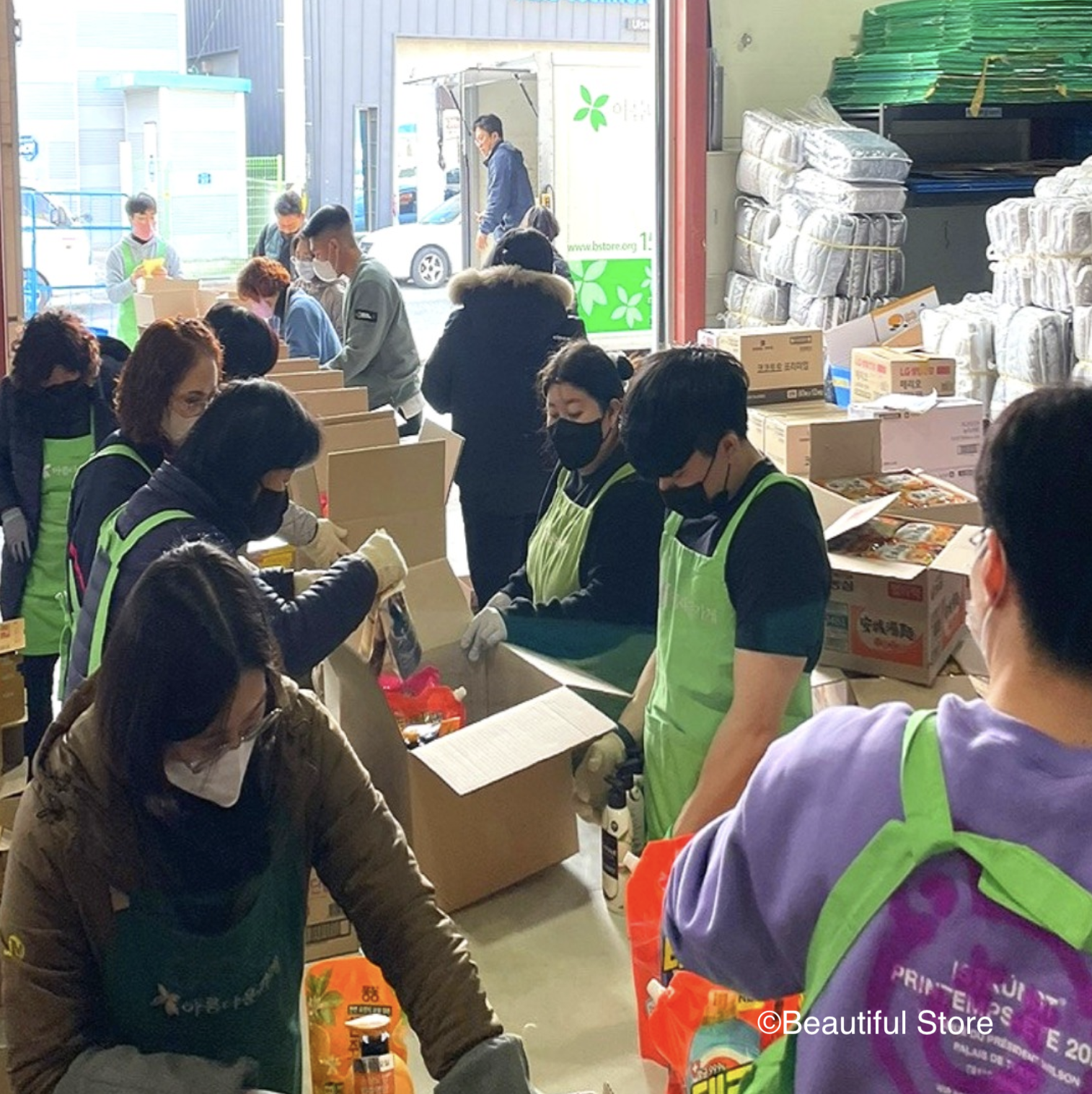
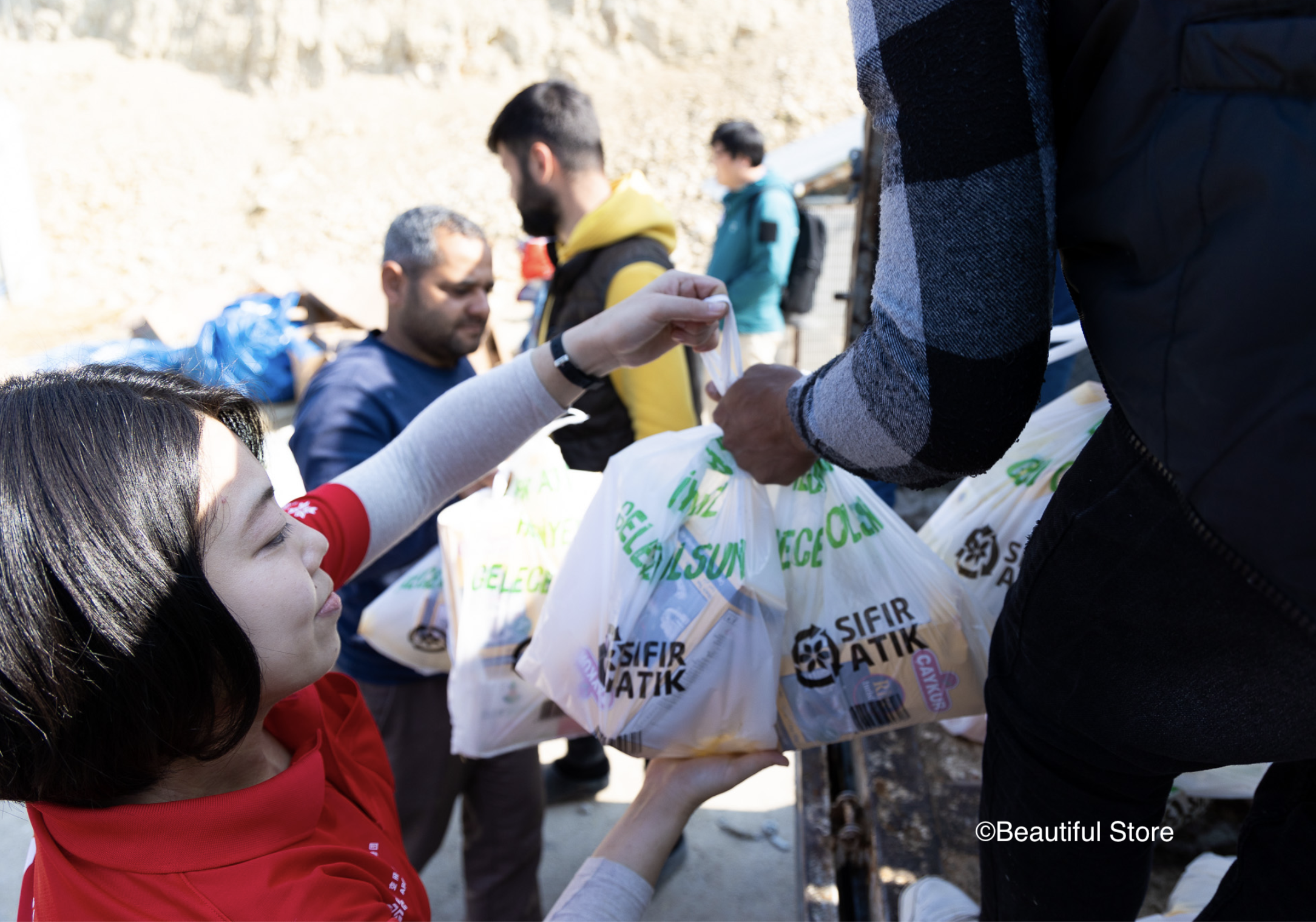
Besides that, Beautiful Store has also created a volunteer activities program where people who want to support their project can help out for around 4 hours a week. Volunteers can work in the stores, receive donations, create upcycled products, and more.
Could strategies like these make my project more self-sustainable? click
With over 100 stores in South Korea, the Beautiful Store has been able to channel millions of dollars to support different projects, groups, and more ethical and ecological ways of producing. It has also prevented the waste of tons of products and avoided the production of many others. Moreover, the project has achieved its ultimate goal: its stores have become a place where people can easily and directly support different social and environmental causes by either producing, donating (work, things, money), or buying their recycled, upcycled, or public interest products.
Could strategies like these make my project more self-sustainable? click
What can we learn from these strategies to make it easier for everyone to participate in solving our problems?