Logo Case 3. Tumin Project

Tumin · Mexico

Mercado Alternativo y Economía Solidaria (El Túmin)

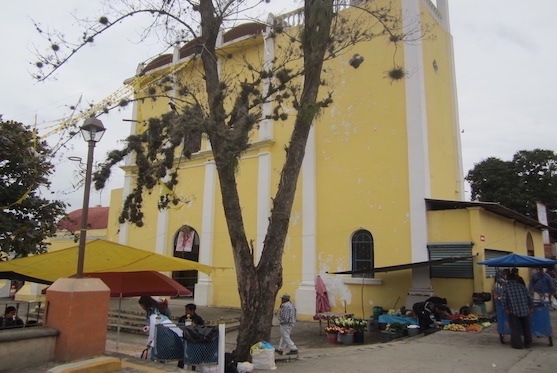
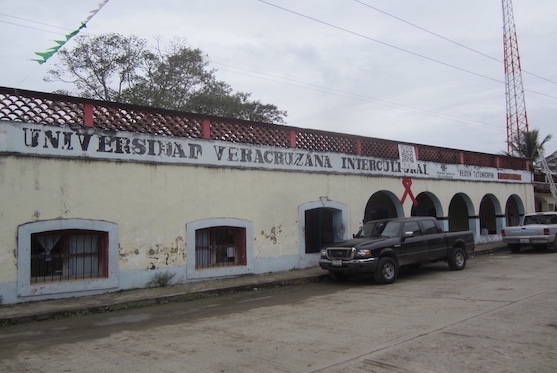
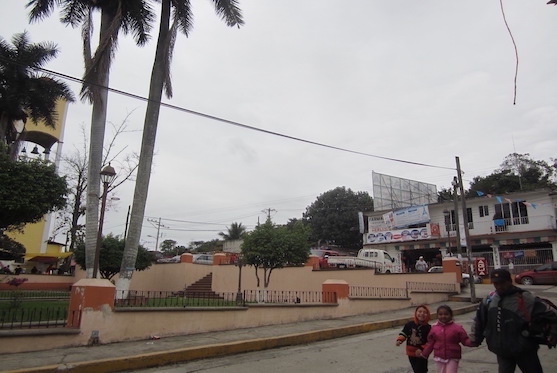
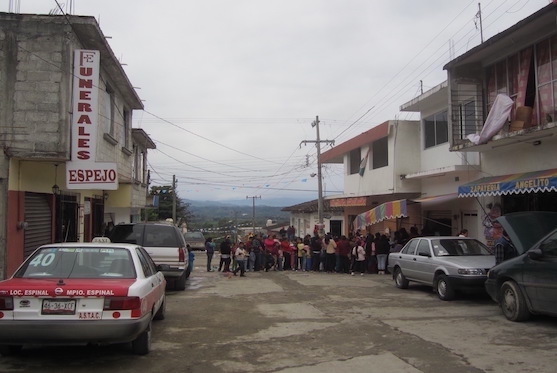
Espinal, Veracruz, Mexico


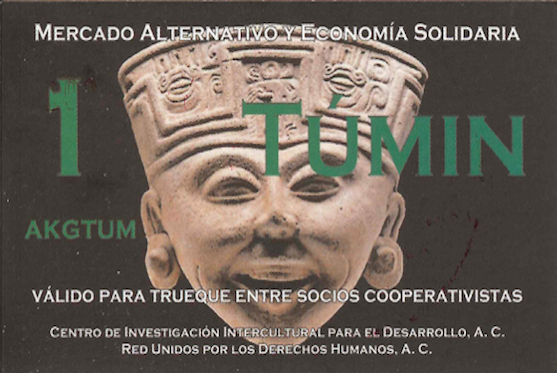
The Tumin is an alternative and complementary currency invented by the inhabitants of Espinal in Mexico to reduce their dependence on the little official money that reaches their community and to strengthen their economy by supporting one another.

info 2013

Money is a tool invented by mankind to facilitate the exchange of products and services between people. But, when the money in circulation is insufficient or poorly distributed, this exchange becomes difficult because there are fewer jobs and less capacity to buy or pay for the goods and services needed to survive. In communities such as Espinal, in the jungle of Veracruz, Mexico, the lack of official money (the Mexican peso) has generated much poverty and violence and has forced many of its inhabitants to migrate to the cities or to the United States to find better opportunities.


How to strengthen the local economy when money is so scarce?

The proposal

In 2010, a group of teachers met with several people from Espinal and proposed to organize a project with the community that would strengthen the local economy. The initiative was to create and promote an alternative currency to complement the Mexican peso (the official currency).


Could strategies like these make my project more self-sustainable? click

Complementary currencies are vouchers, coupons, points, or other types of instruments that are used as money and only have value within the communities that agree to use them as a means of exchange. There are thousands of complementary currencies around the world and these can be made of paper or some other material, or can even take digital form.


Could strategies like these make my project more self-sustainable? click

Inspired by the Tláloc Multitrueque Network project––which is another complementary alternative currency used in the Central Valley of Mexico––the teachers of Espinal addressed their community and proposed the creation of their own local currency to help reestablish the exchange of products and services, which were not circulating not because of lack of interest but due to the lack of official money to exchange them. Therefore, the project (known as Tumin (El Tumin [www.tumin.org]) but formally called "Alternative Market and Solidarity Economy"), proposed the creation of an alternative currency, which would serve to reduce the community's dependence on the availability of official money to address their local needs.


Could strategies like these make my project more self-sustainable? click

Forming the dynamics of exchange

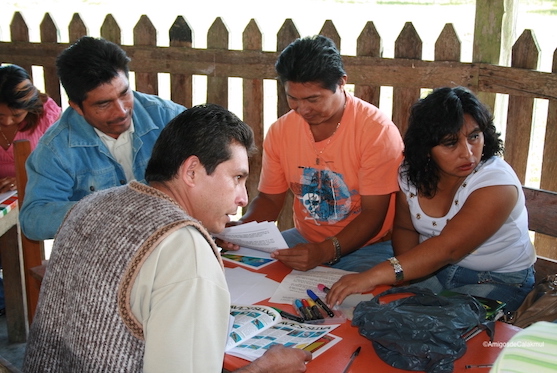
To begin the project, the teachers met with different members of the community to discuss and evaluate, in tandem, what type of services or products each could offer. In other words, they began by mapping and creating a directory of the people interested in participating in the dynamic, as well as of the products and services each could offer in order to set up an exchange network. This allowed everyone to identify what was at hand and what was lacking, according to the interests and needs of the network of participants. Based on this information, they then looked out to find new participants who could provide what was needed or encouraged existing members to produce it. Any member of the community had the opportunity to join the project and was encouraged to do so, because this would make up for a greater diversity of products and services available, and the dynamics of exchange would work better.


Could strategies like these make my project more self-sustainable? click

The team designed and printed small bills called Tumin and gave all partners (i.e., community members who were enthusiastic in participating in the project) 500 free Tumin each (equivalent to $500 Mexican pesos, about $23 USD) to start spending at any one of the participating businesses. In exchange, the partners agreed to accept Tumin as payment for their own products and services, or to cover at least a percentage of their cost. In other words, the Tumin was not intended to completely replace the Mexican peso, but to encourage people to pay at least part of their expenses with the new alternative currency so they could save or use official money for other things. In order to prevent members from accumulating Tumin ––and to prevent the halt of its circulation, which is what tends to happen with official money–– the bills were printed with an expiration date. This measure ensured that the Tumin were used only for the exchange of goods and prevented people from enriching themselves or accumulating the currency.


Could strategies like these make my project more self-sustainable? click

The next step of the project was to organize the partners into commissions for education, communication, banking, etc. These commissions would help encourage the participation of the network’s members and fairly distribute the responsibilities that came along with the coordination of the various aspects of the project that were necessary to get it off the ground and to promote it. In order to take their different interests into account in a comprehensive manner and to ensure that all could be represented and benefited, it was decided that the commissions would rotate, that is, members would be in charge of one commission and then move to another one from time to time, so that they could learn about the needs of each area and contribute their ideas or point out problems, thus enriching the project and guaranteeing its transparency.


Could strategies like these make my project more self-sustainable? click

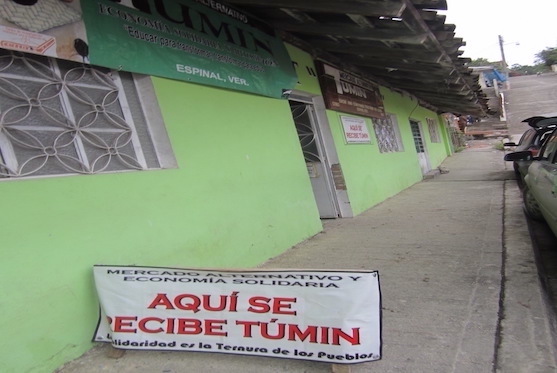
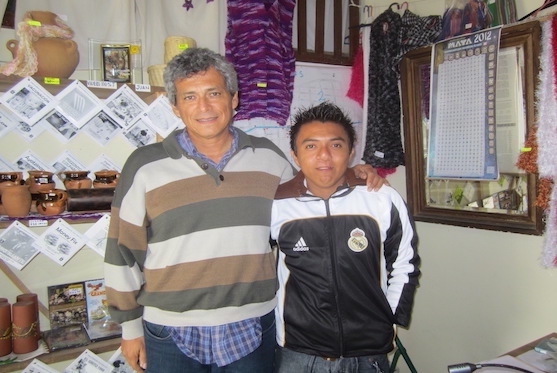
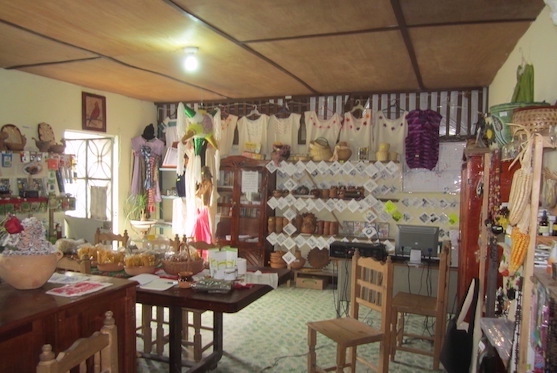
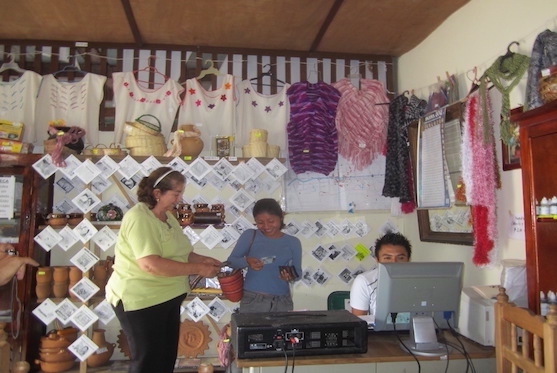
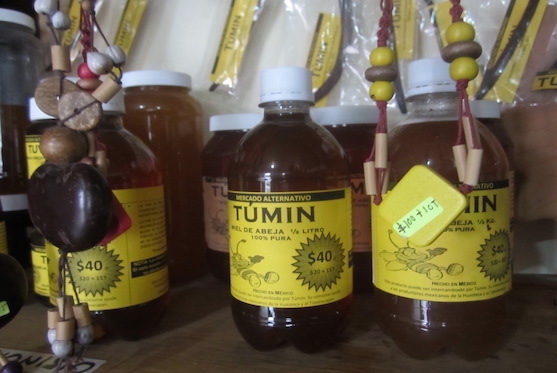
Today, the Tumin project has managed to survive thanks to the fact that it has gradually helped to promote the use, production, and exchange of local products. Undoubtedly, this has been possible, to a large extent, thanks to the voluntary contributions of the members of the network. The community, for example, contributes by encouraging the participation of new members or by lending a space for assemblies and hosting the House of Tumin, which is the place from which the project is coordinated and where members can buy and sell some of their products. Members also contribute resources for staff salaries and 5% of what they sell inside the House of Tumin for administrative expenses.


Could strategies like these make my project more self-sustainable? click

In part, the project has achieved its purpose of helping to solve the problems of the Espinal community by making better use of its local resources and promoting cooperation and solidarity among its inhabitants. Firstly, because the community is very divided by social, ethnic, and class barriers, and the Tumin has given them a project, a tool, and a concrete opportunity to get to know each other and show solidarity. Secondly, because the exchange network has helped, to a greater or lesser extent, to reduce the community's dependence on official money. In other words, thanks to Tumin, the real wealth of the population has increased without the need to acquire more official money because it is now possible to access the products and services offered in the Tumin network using fewer Mexican pesos.


 

Could strategies like these make my project more self-sustainable? click

What can we learn from these strategies to strengthen the self-sufficiency of our communities?


Support the Tumin!

Could strategies like these make my project more self-sustainable? click
Strategies associated with this project
Play Video
Play Video