Play Video
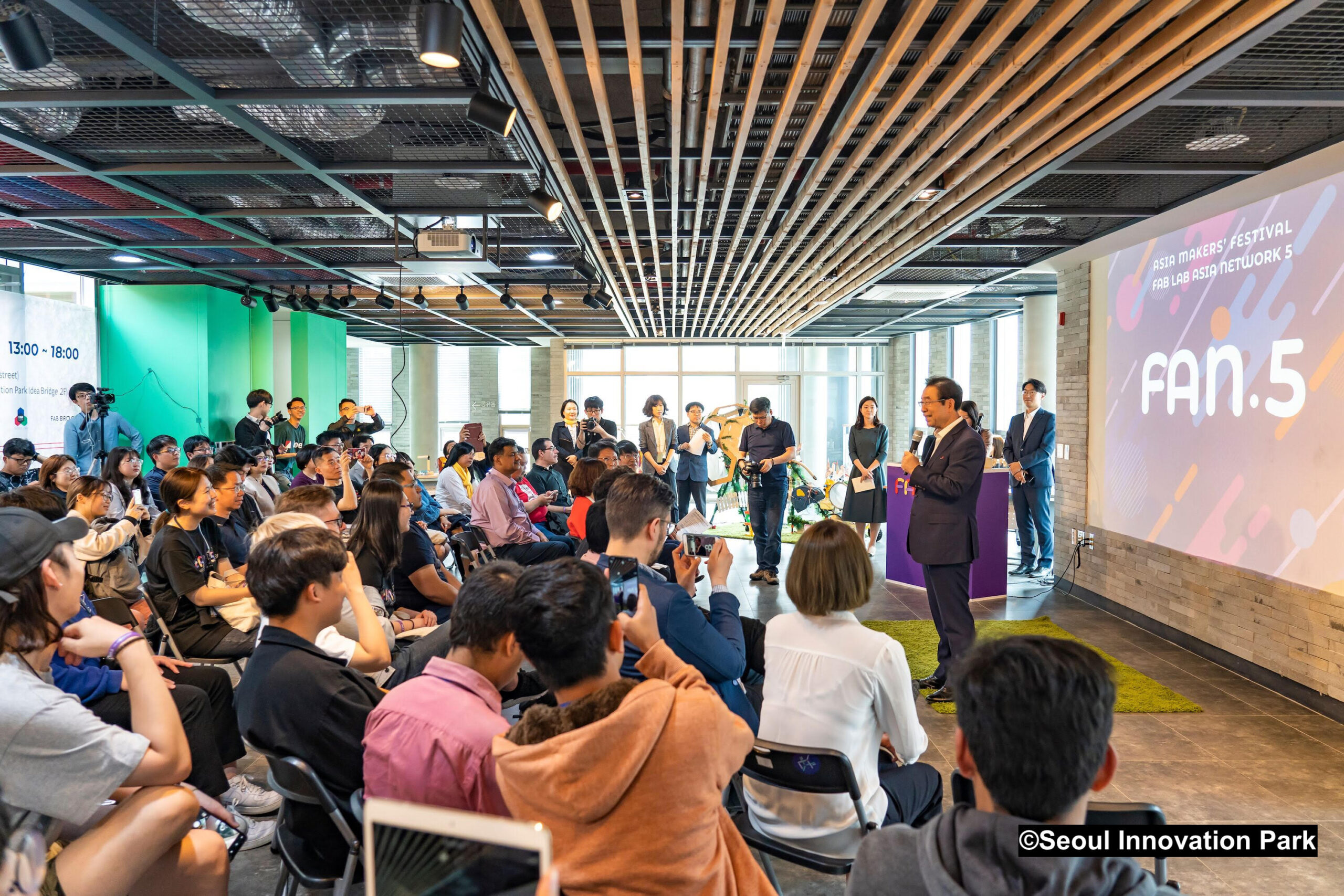
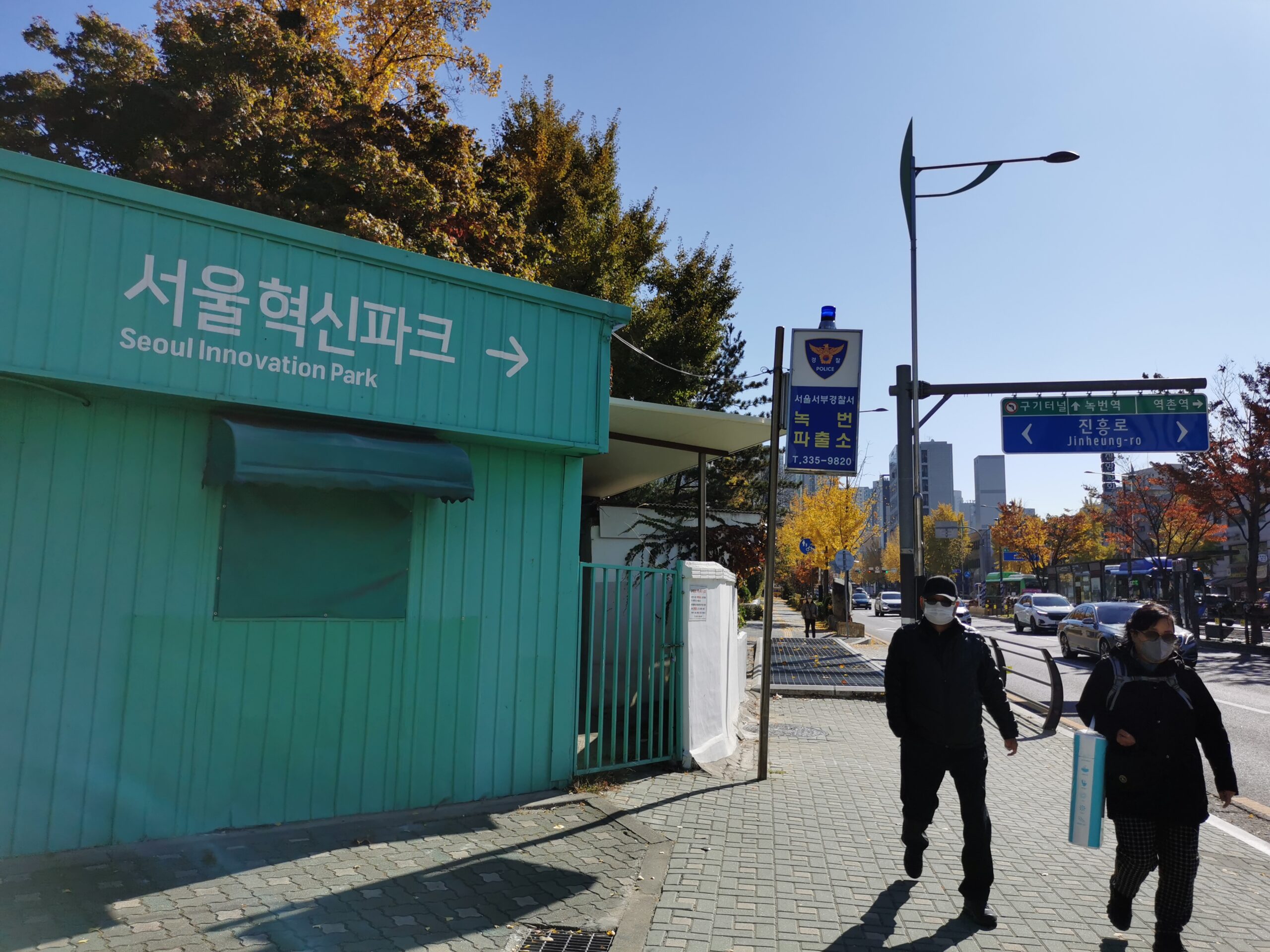
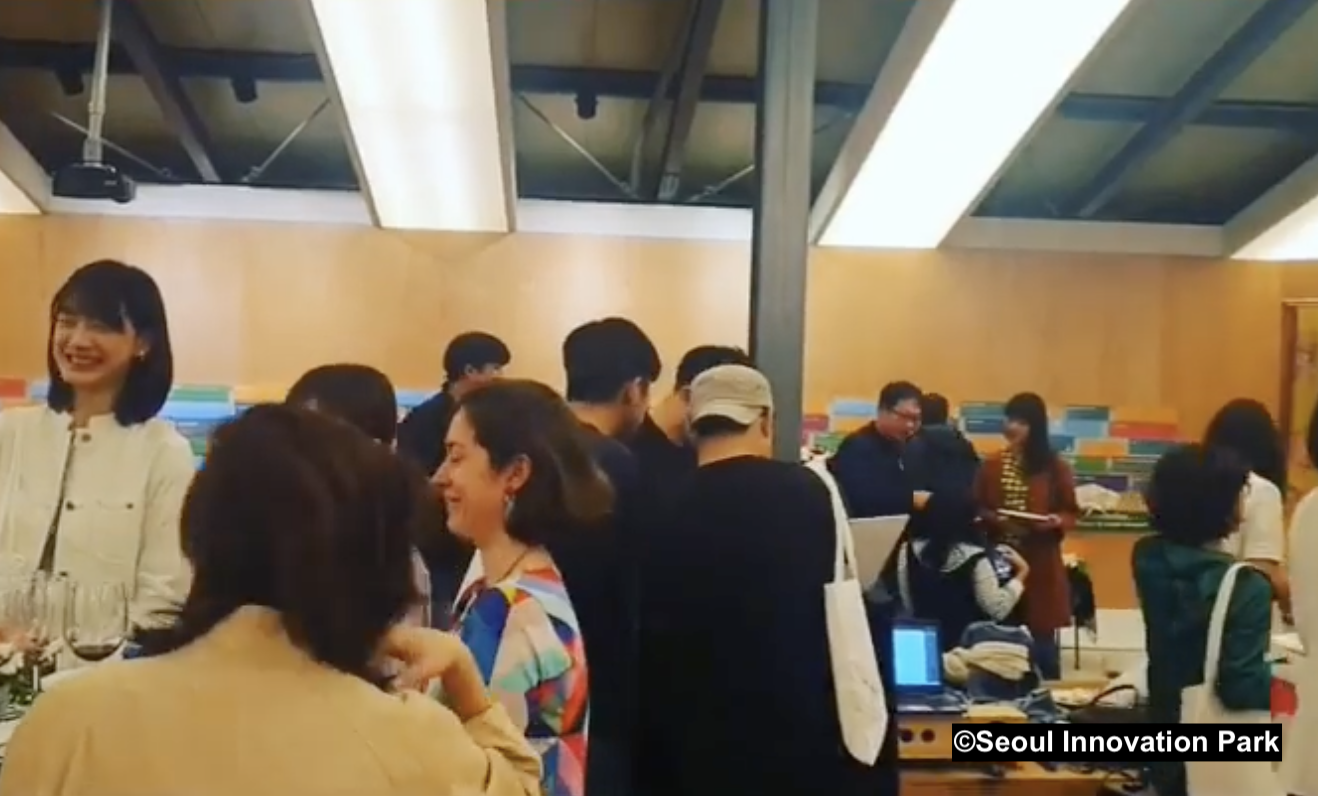
The Seoul Innovation Park is a project launched by the Seoul Government in South Korea to motivate citizens to help it resolve the city's problems by building innovative solutions and collaborating. The Park offers citizens the use of its facilities and workshops, support from different government agencies, and the organization of bonding events and activities.
info 2022
In Korea, as in many countries, half of the population lives in the capital city, Seoul, because that’s where there are more opportunities to make money and more access to doctors, schools, etc. Cities make it easier to share resources and services, but they also demand a lot of work and creativity to ensure that people have a good quality of life: that they have access to food, are safe from danger, have access to water, etc.
How to facilitate constant creativity and innovation to address the many needs of the city?
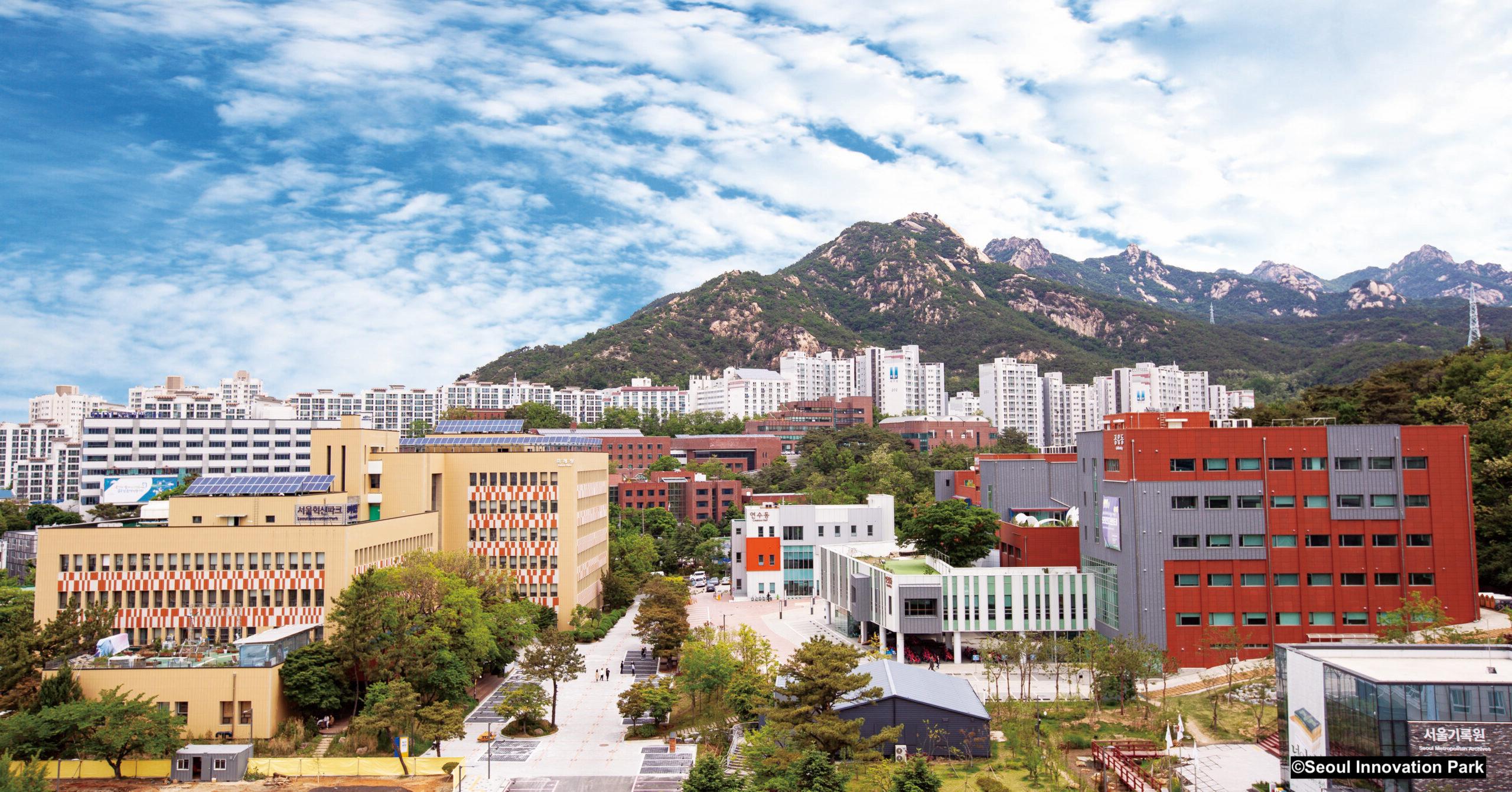
When in 2010 the Korean Center for Disease Control and Prevention (KCDC) left its 100,000 square meter facilities in Seoul to move to another province, an intense debate began about how to capitalize on such a huge area, since space in that mega city is highly coveted. Some thought it could be put to good use by developing real estate or commercial ventures, but fortunately, the idea that won was that of the well-known activist and then-mayor, Won-soon Park (who also created the Beautiful Stores): the Seoul government would give that area to the citizens so they could gather, socialize, and help explore and develop innovative proposals to address the city's problems—especially its lack of self-sufficiency in food and energy.
Could strategies like these make my project more self-sustainable? click
This gave birth to the Seoul Innovation Park (서울혁신파크), a project launched in 2015 to promote societal collaboration in solving the city's problems, utilizing various strategies such as:
Could strategies like these make my project more self-sustainable? click
- It lends its facilities for people to gather
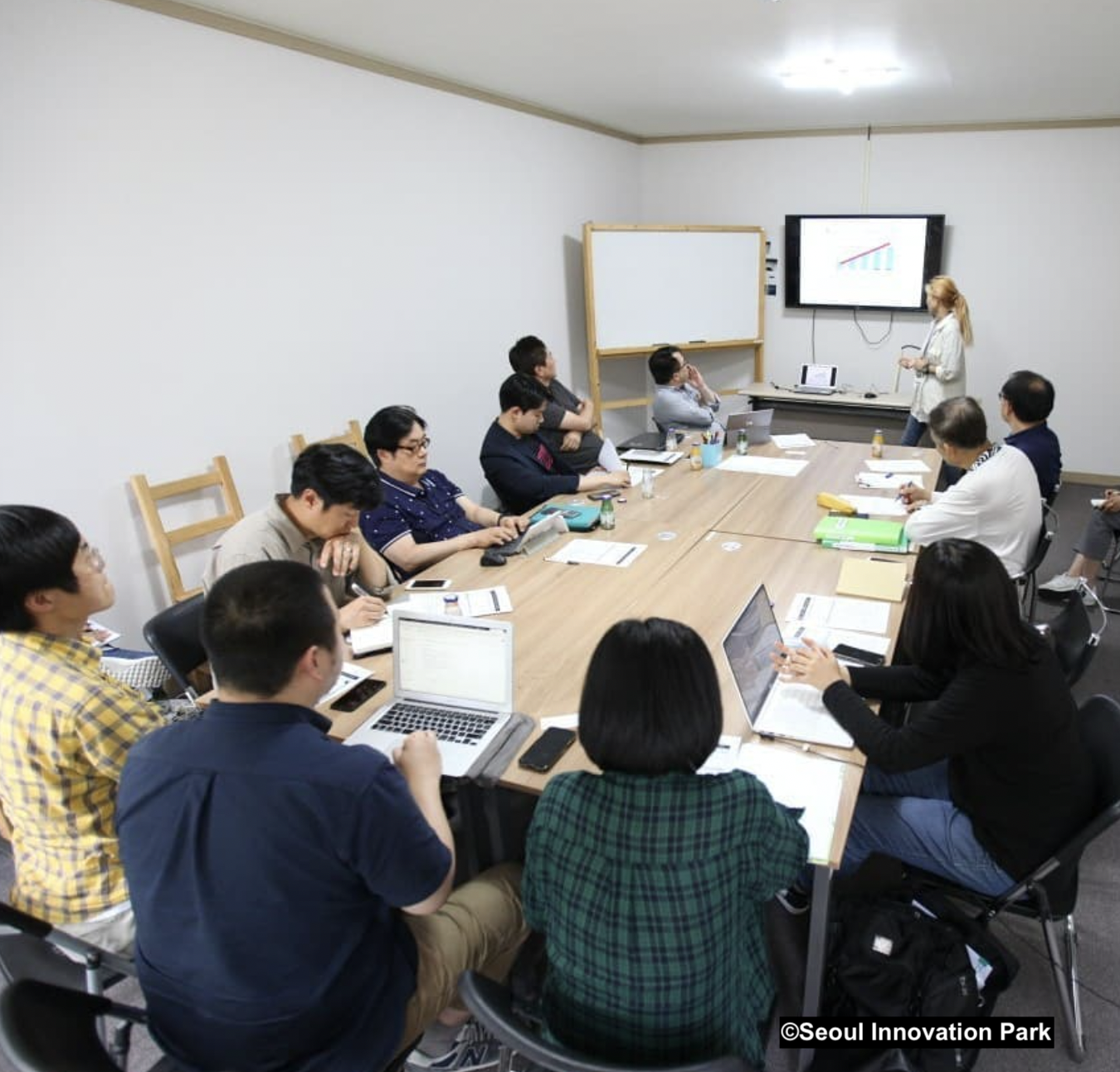
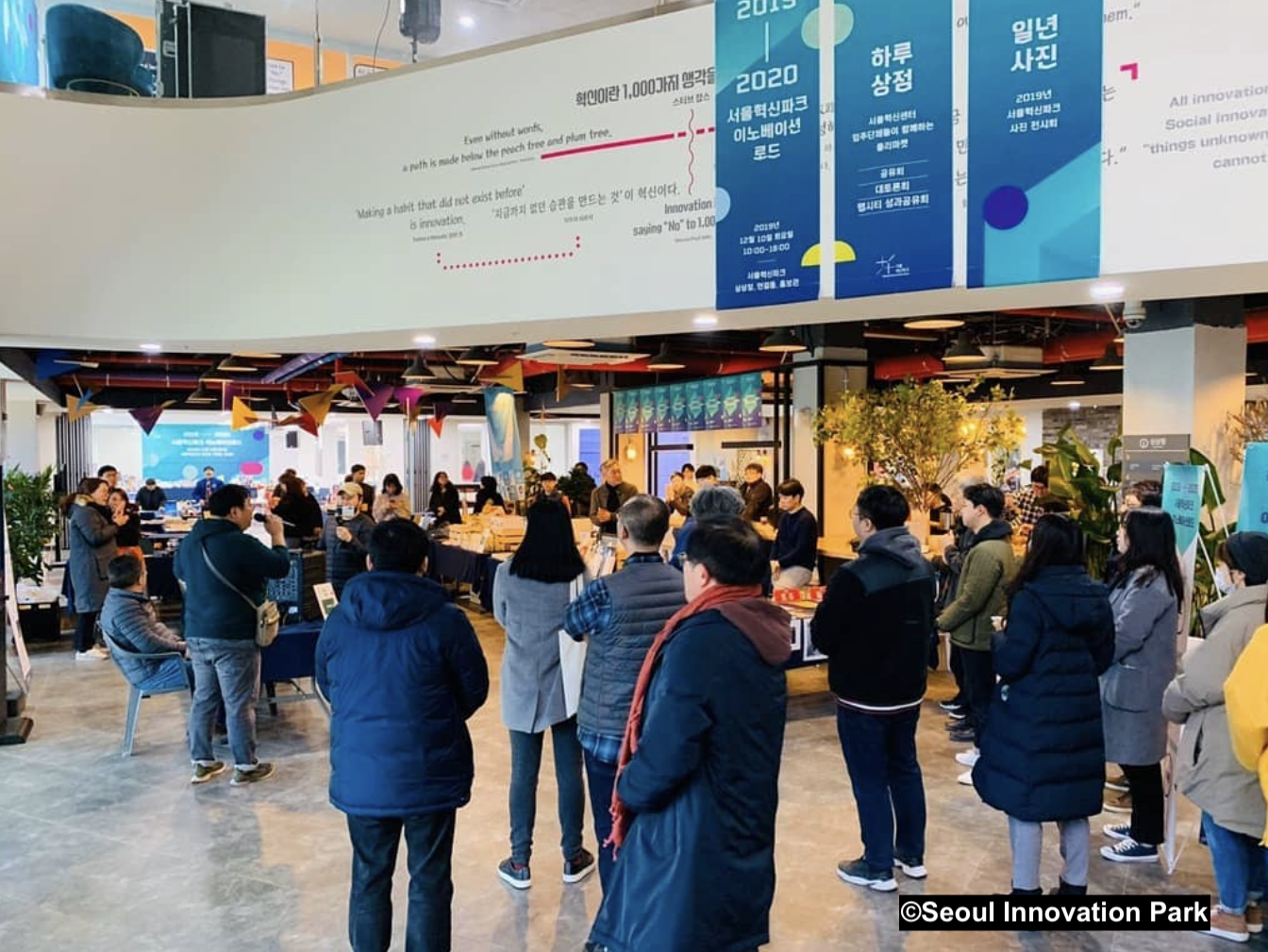
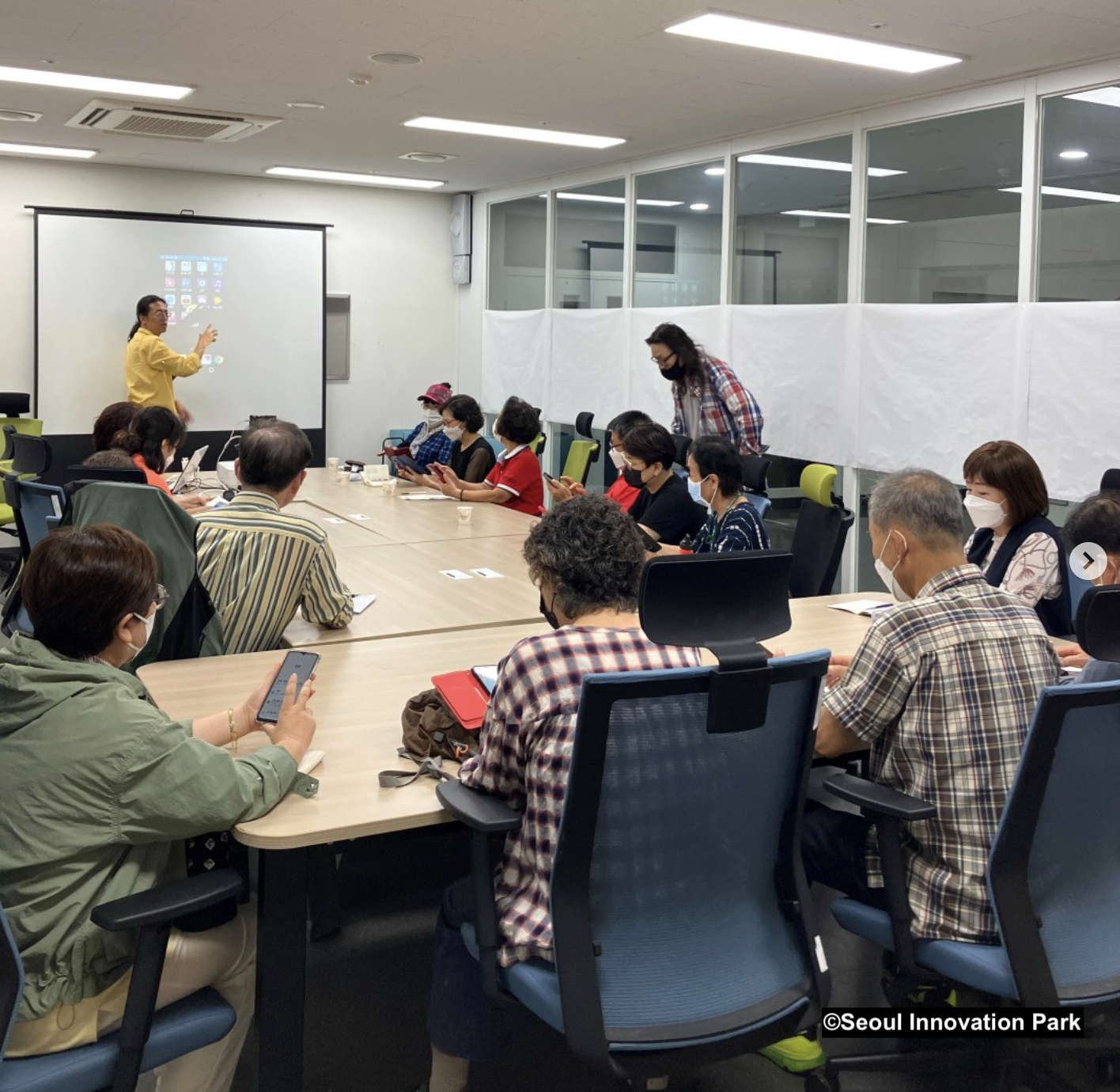
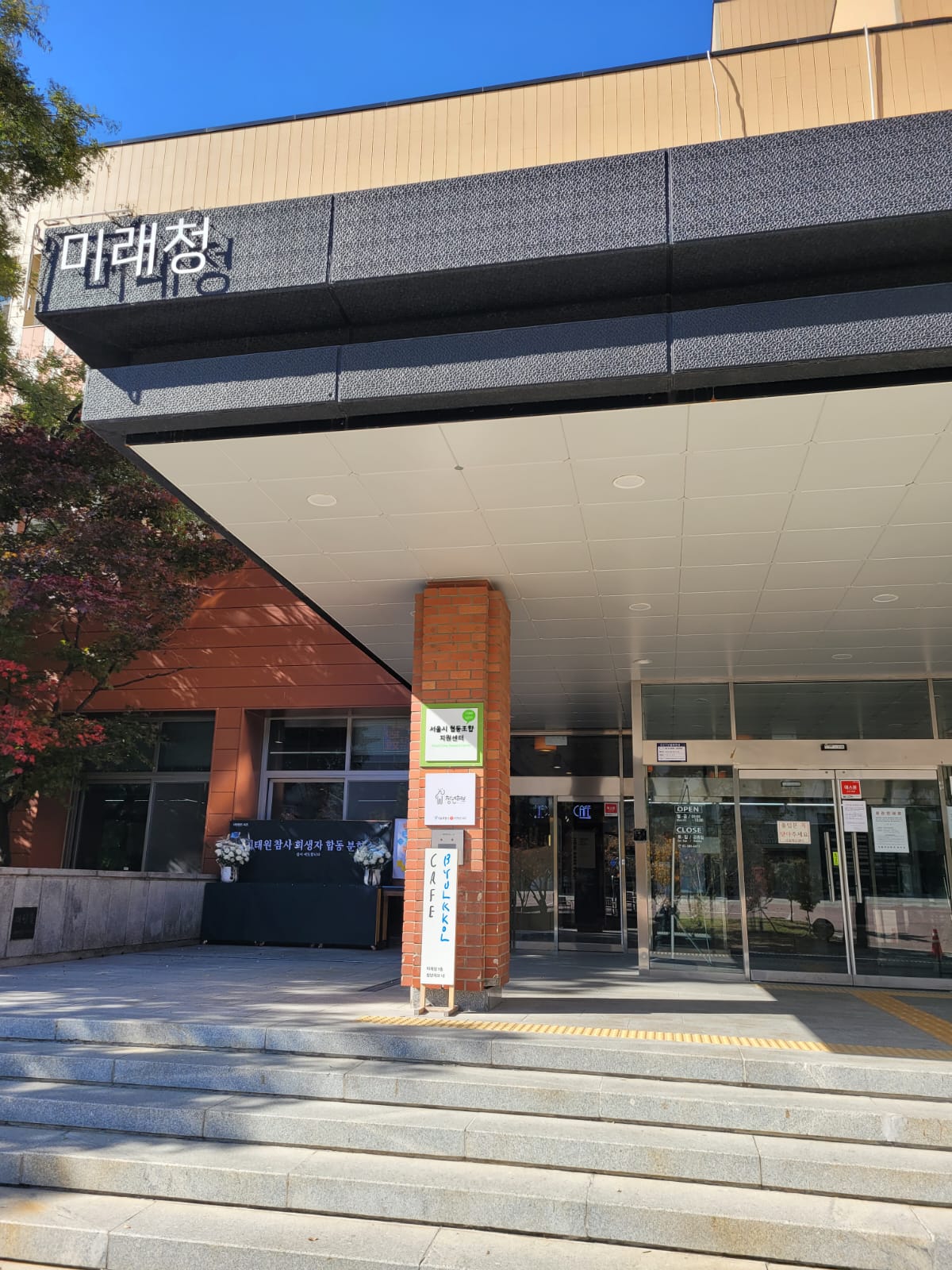
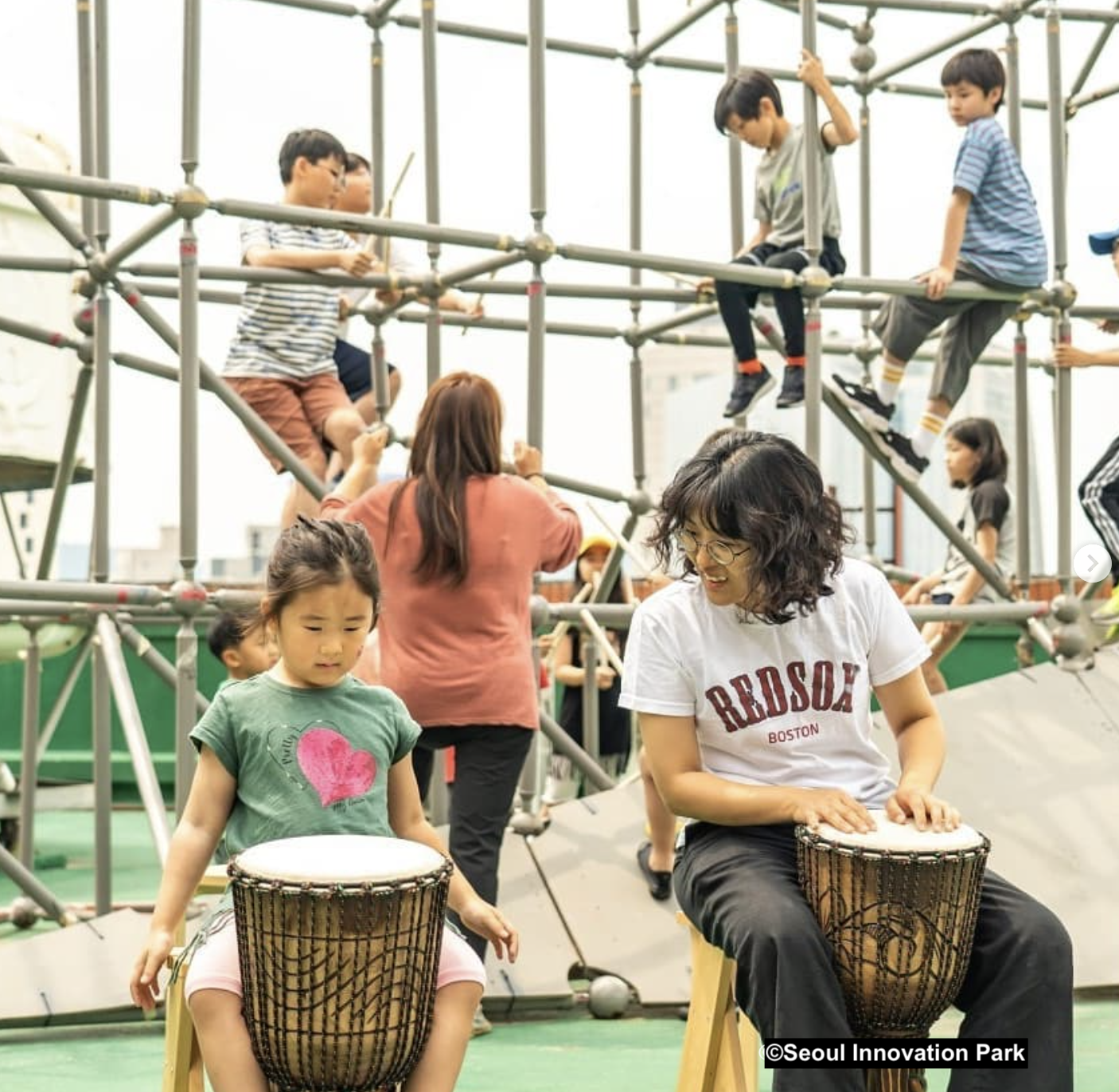
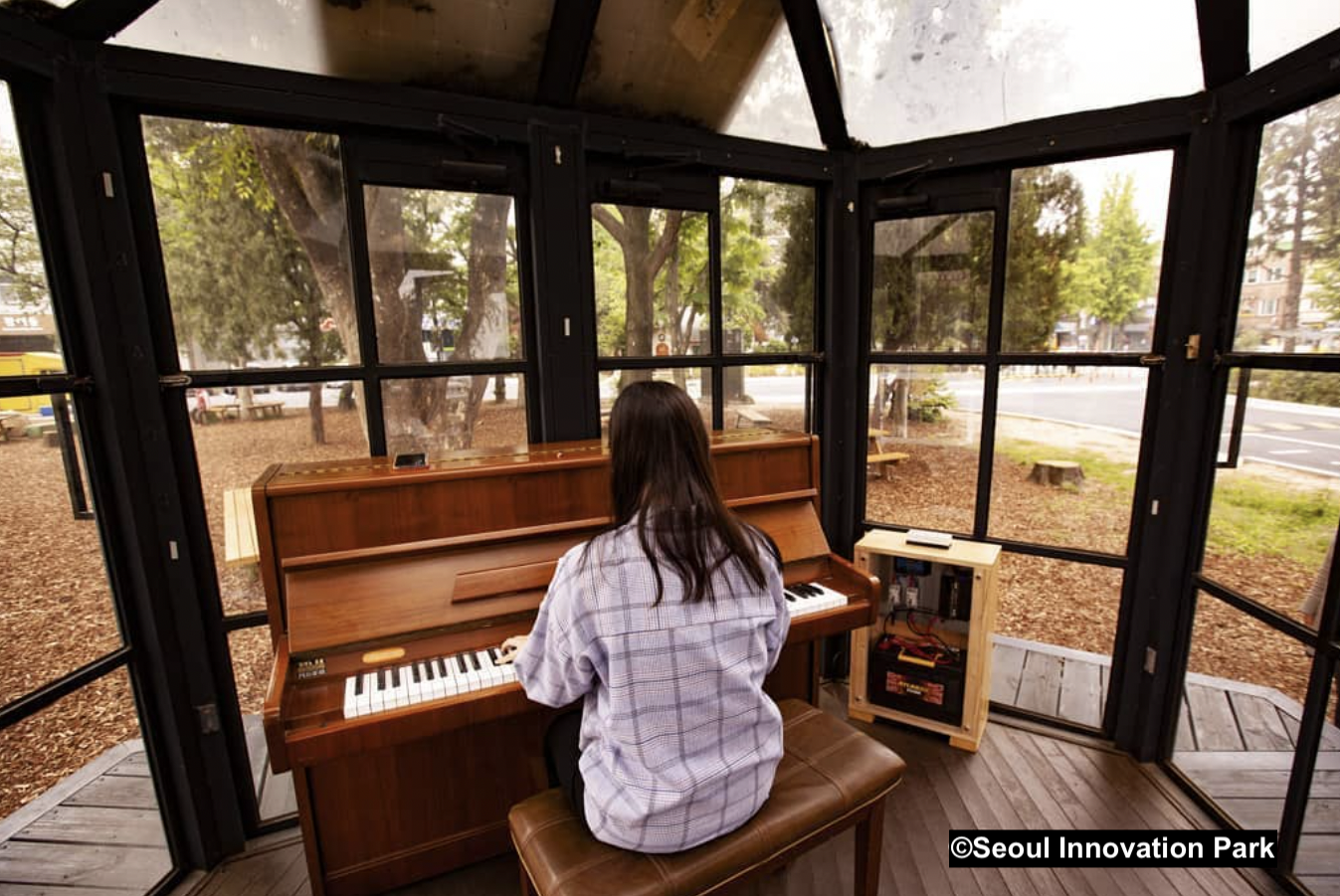
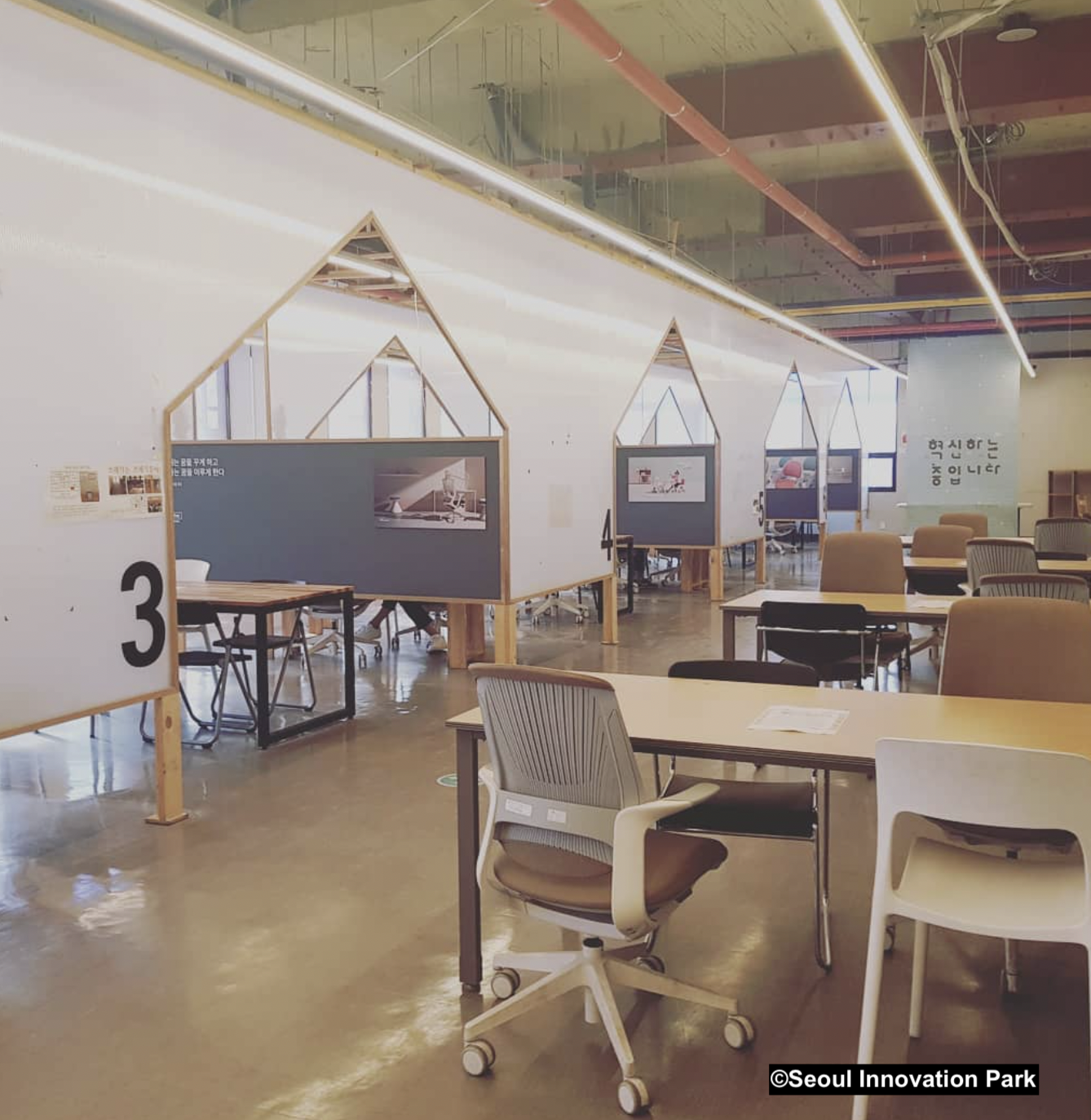
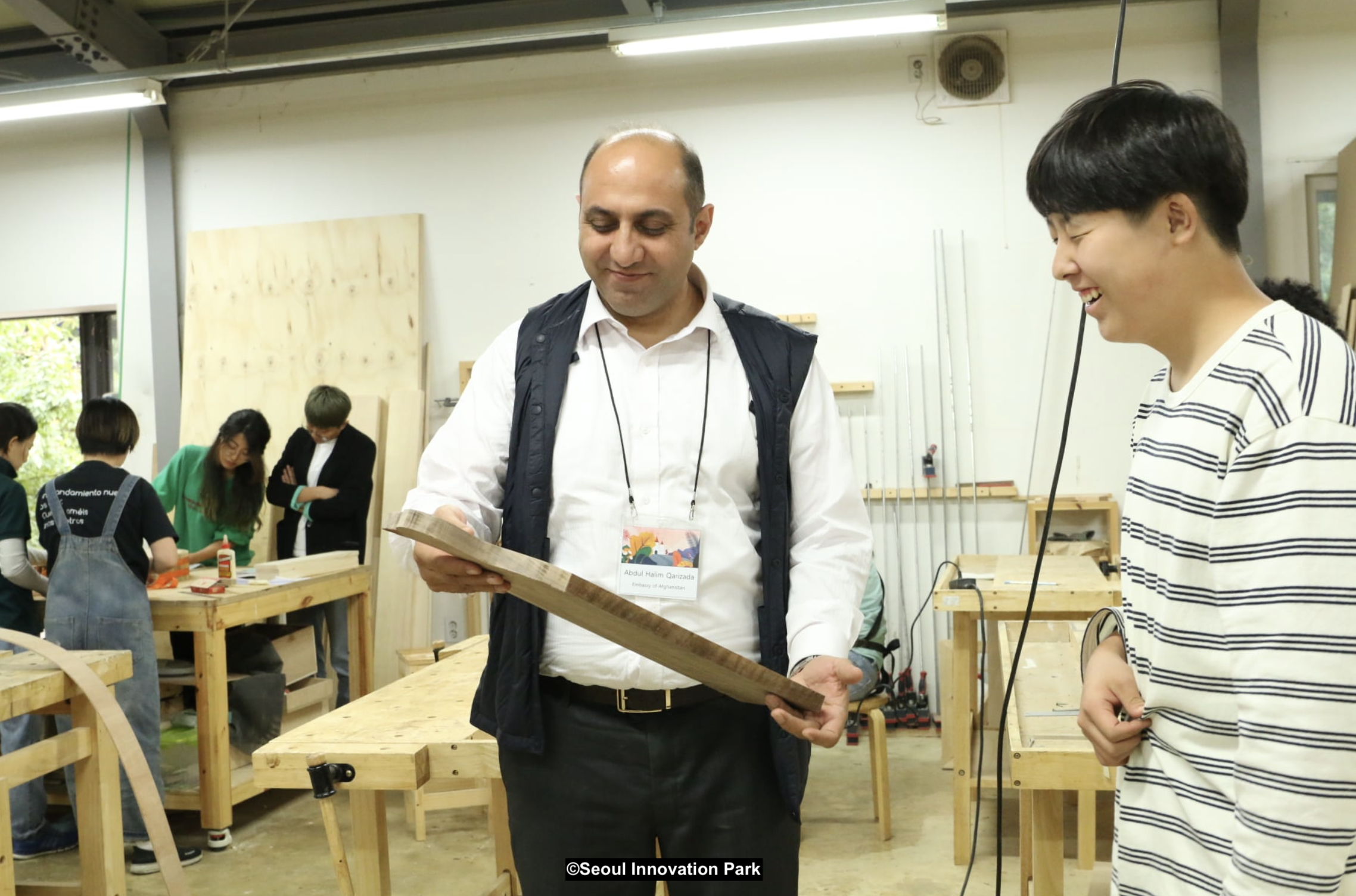
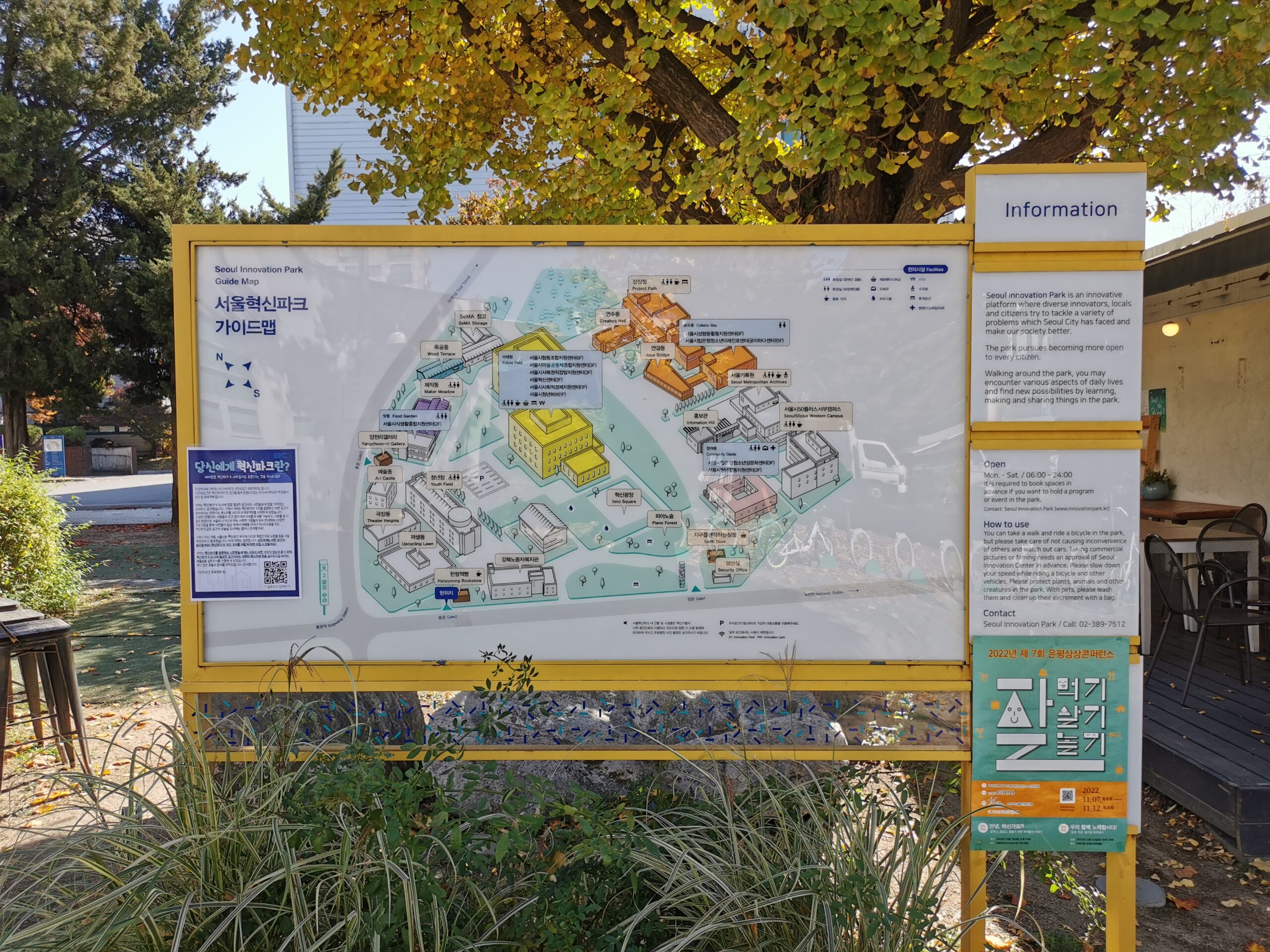
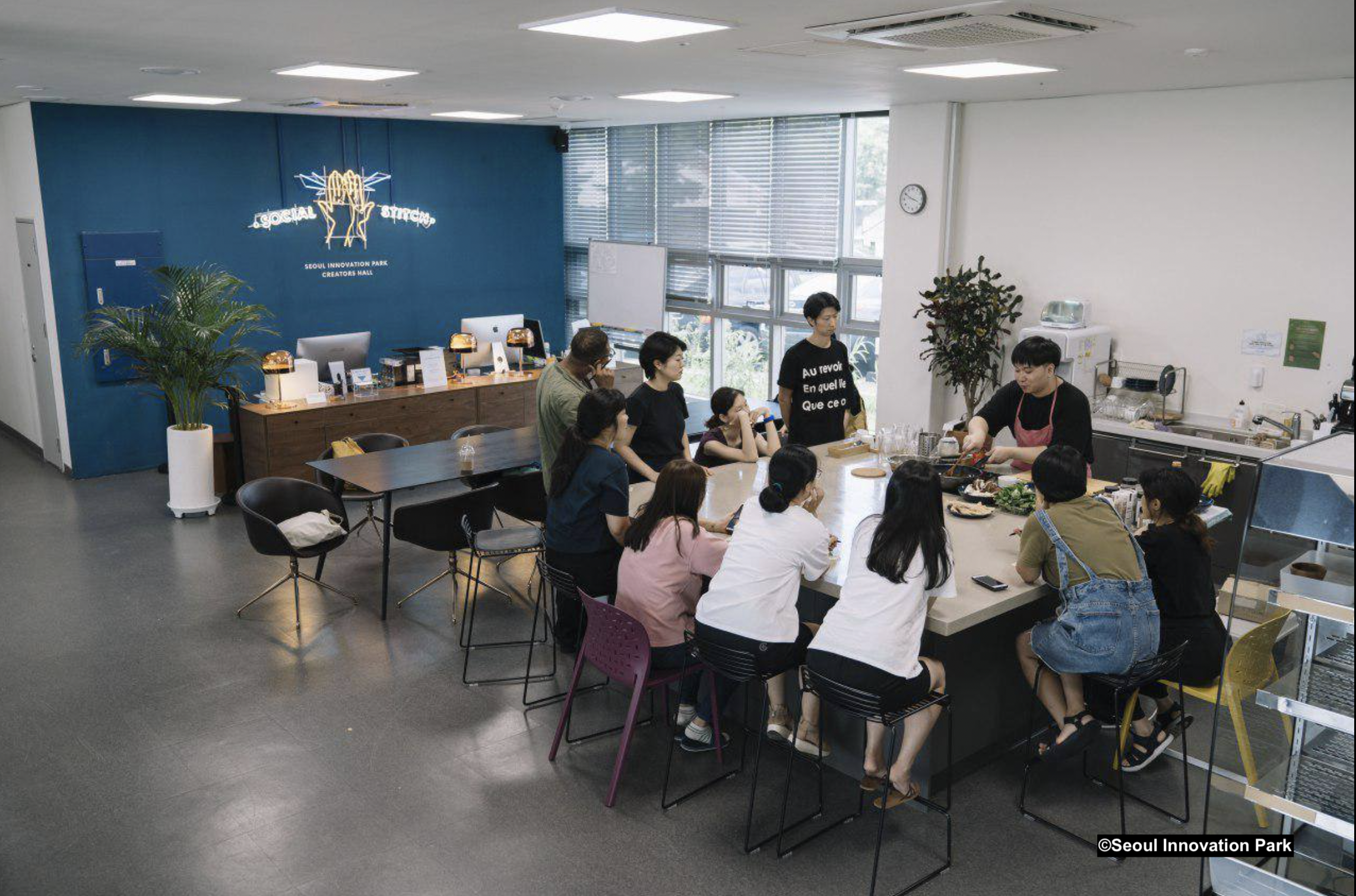
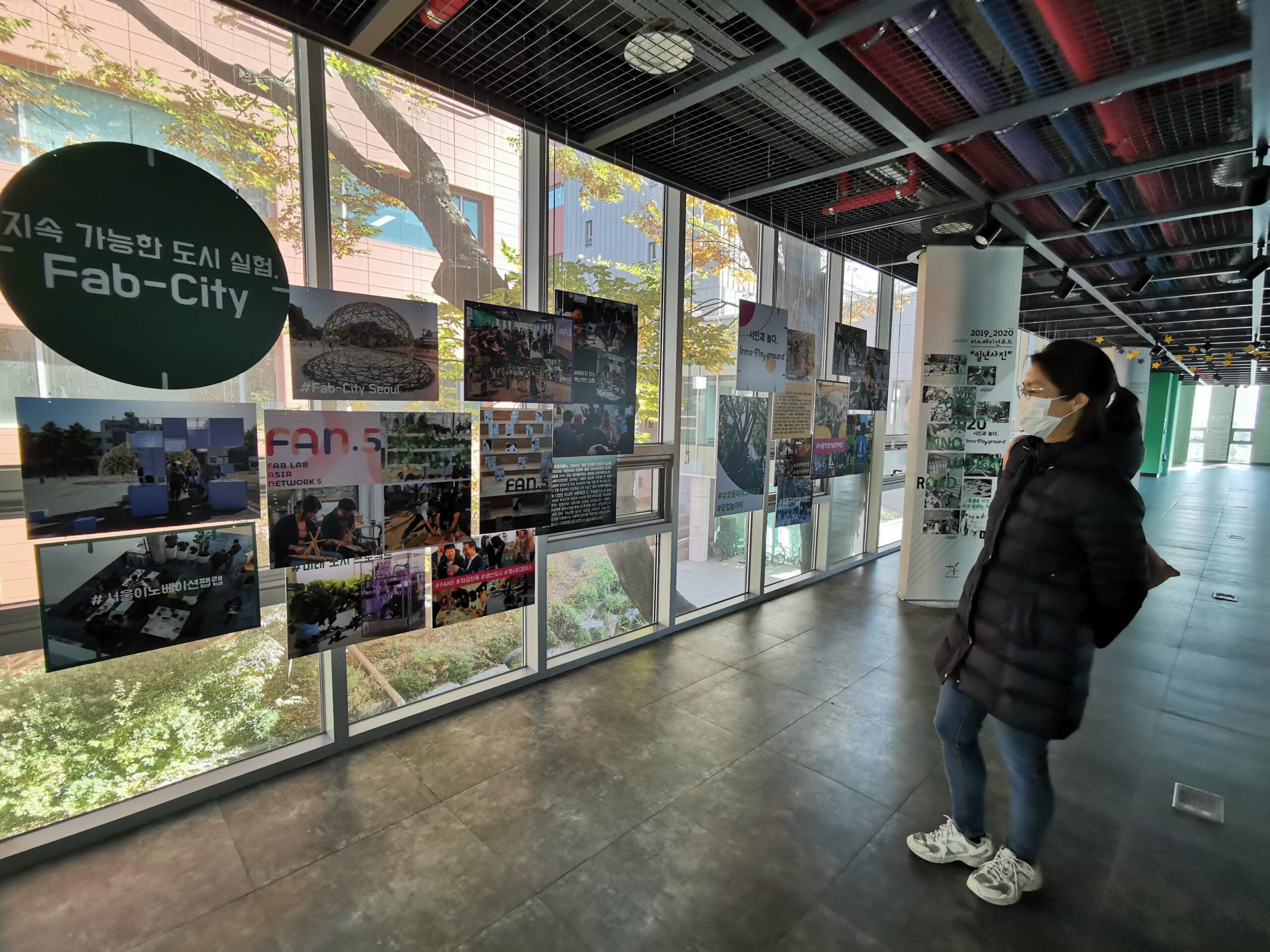
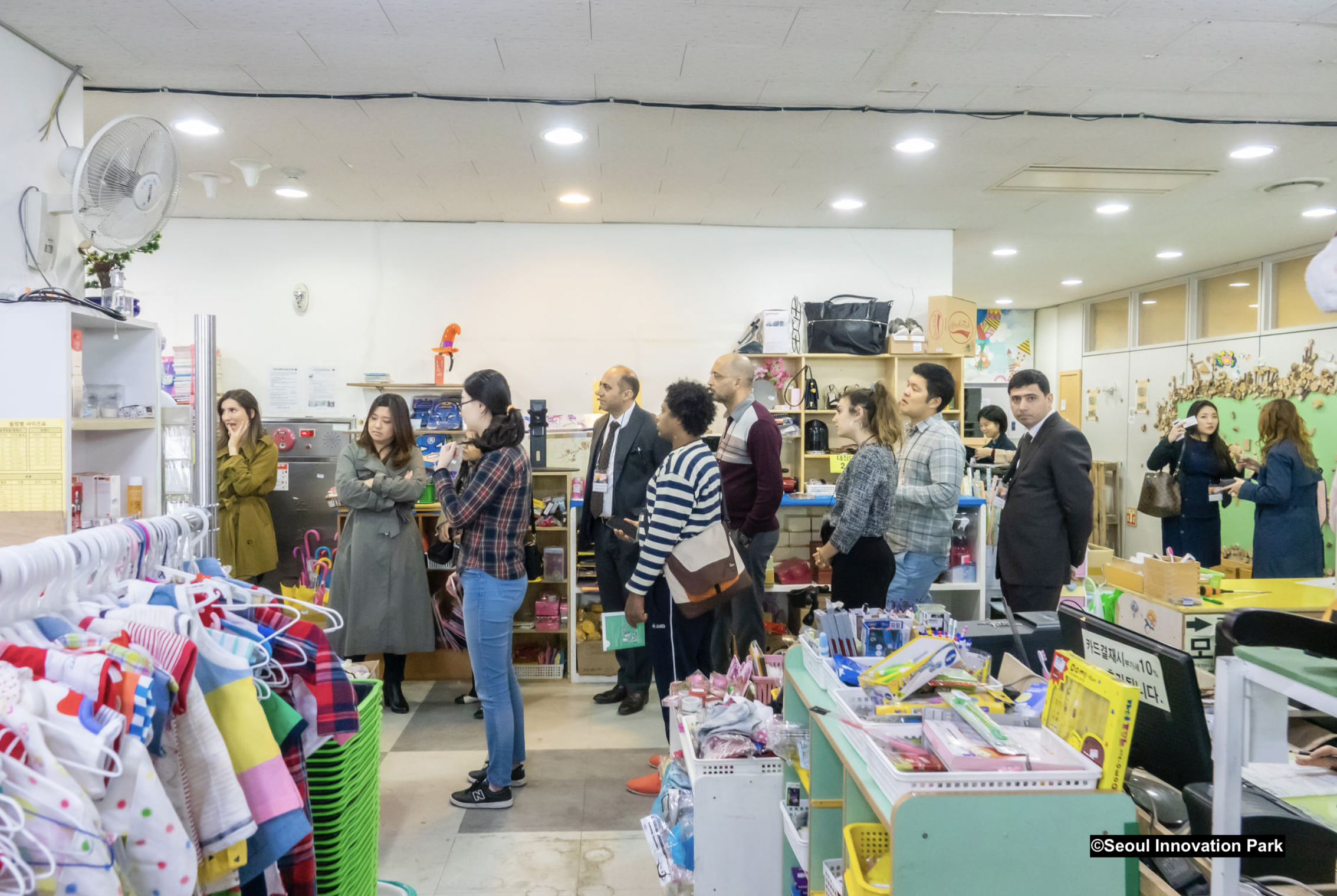
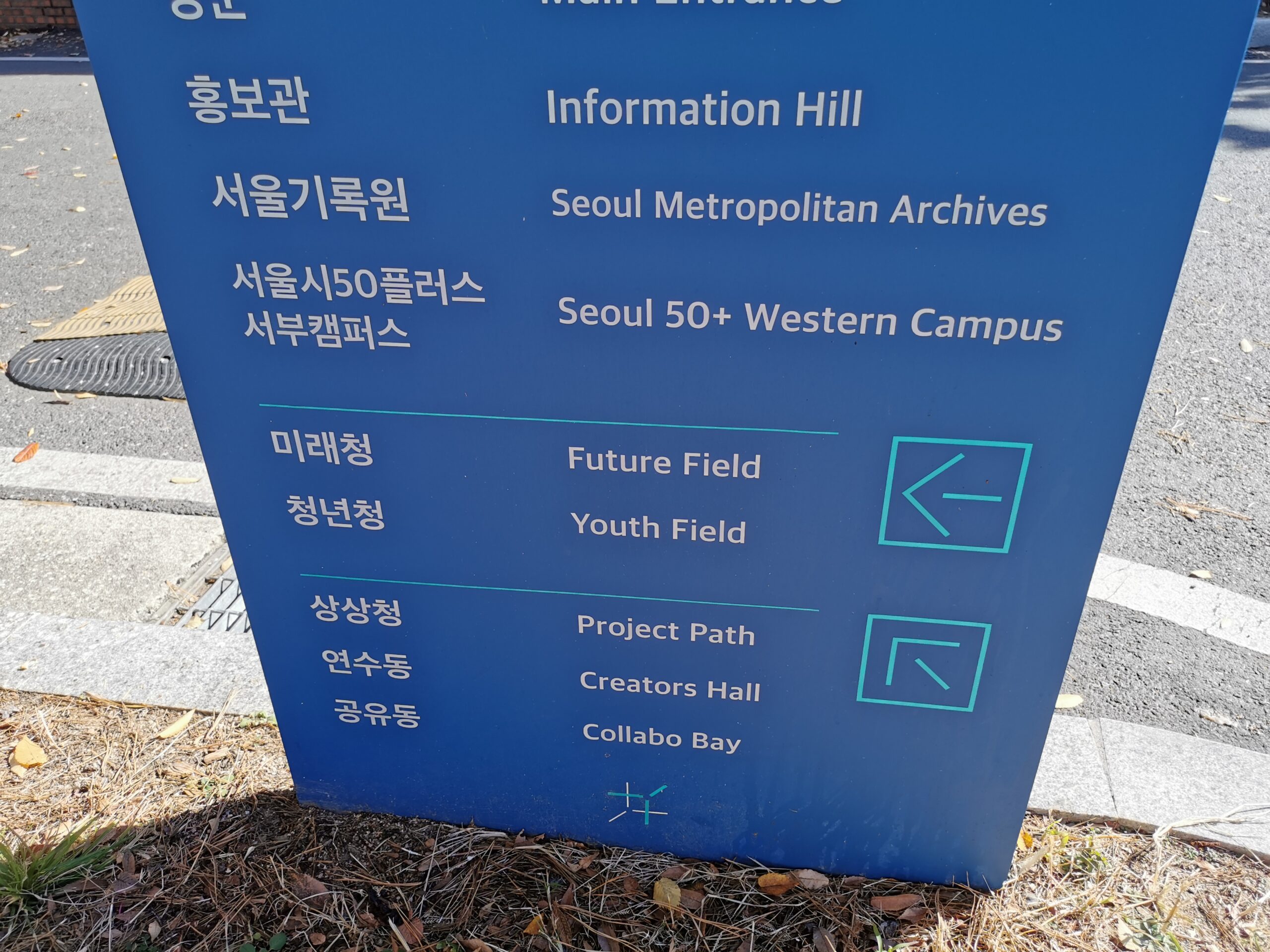
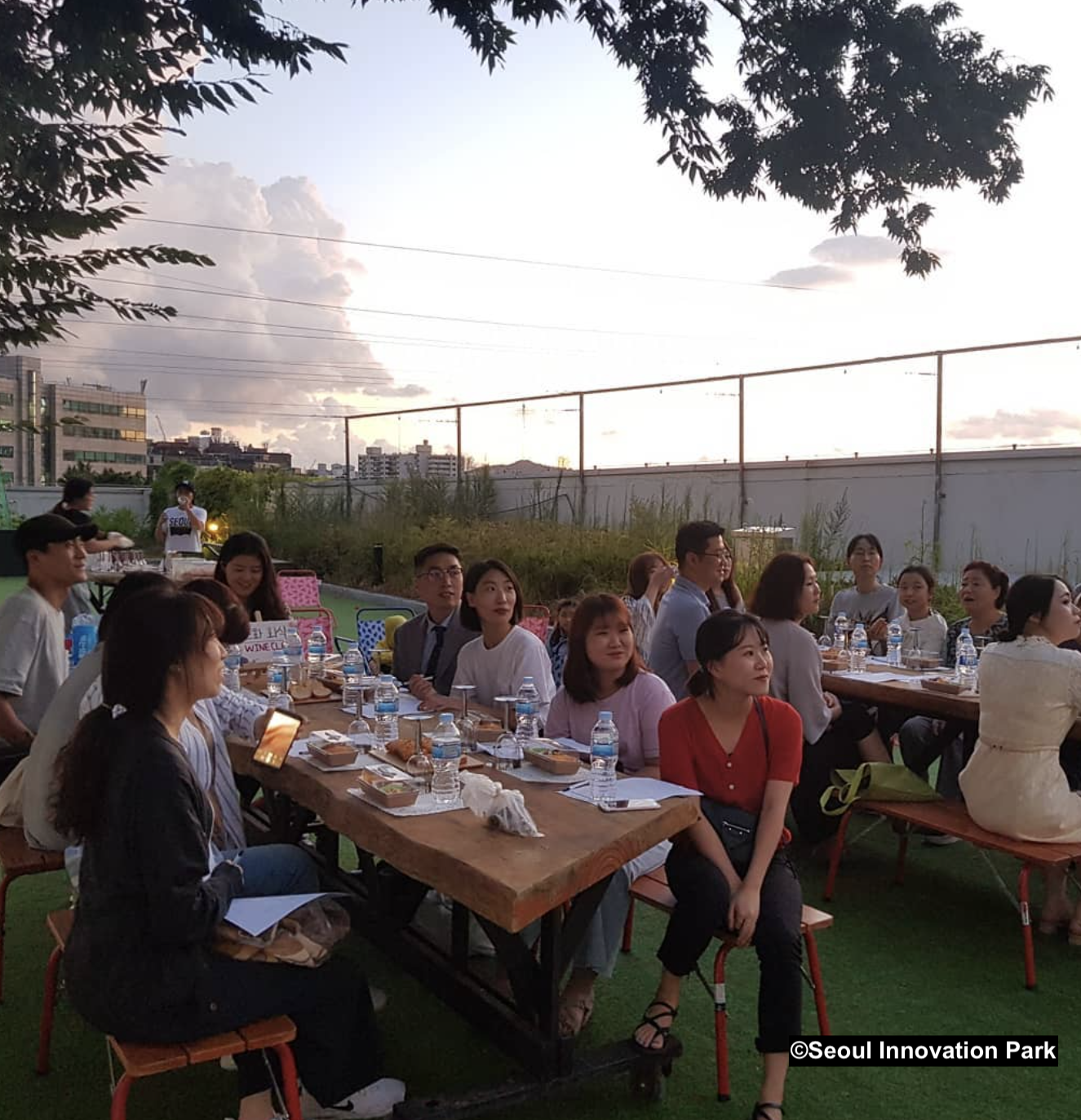
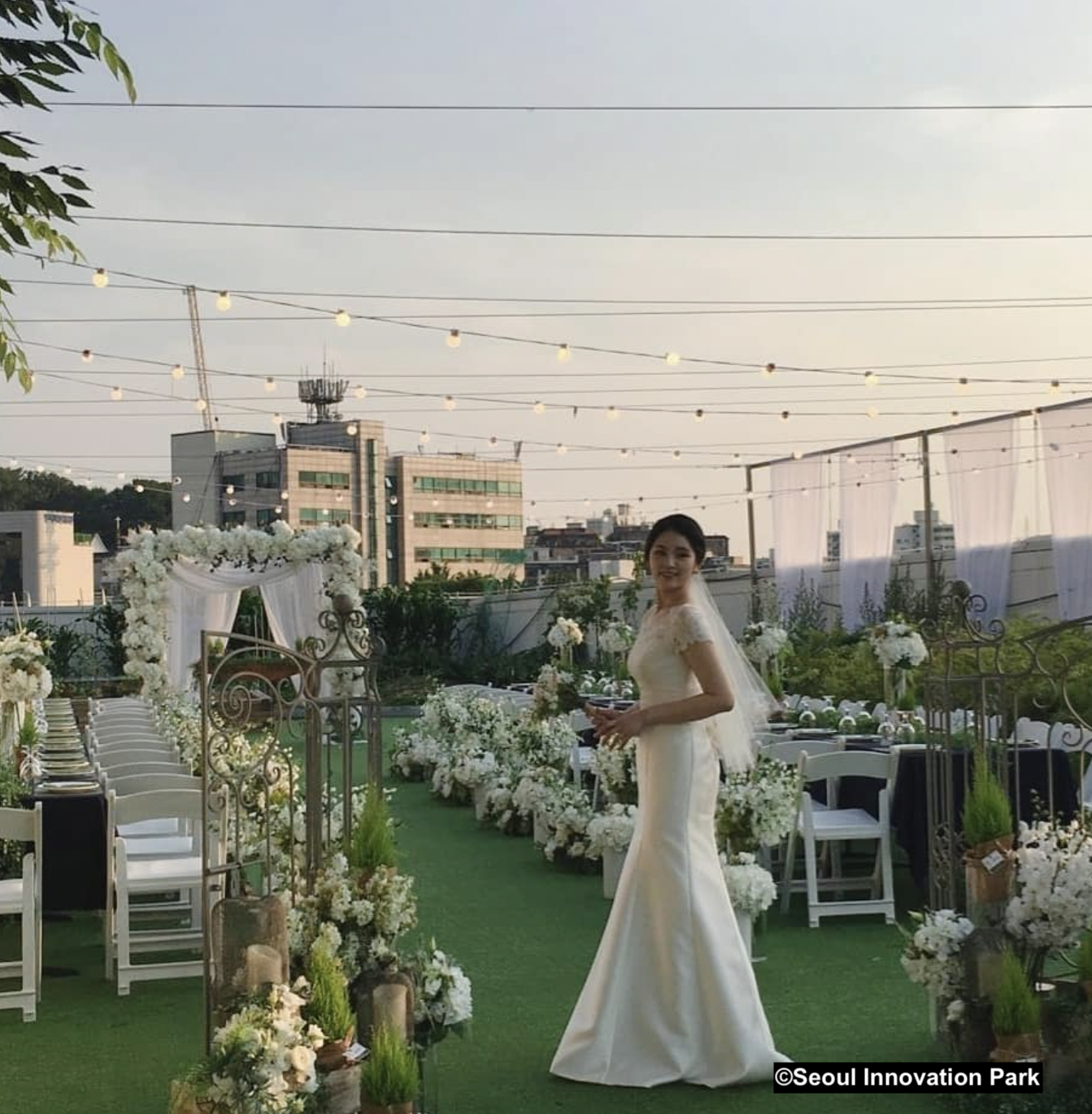
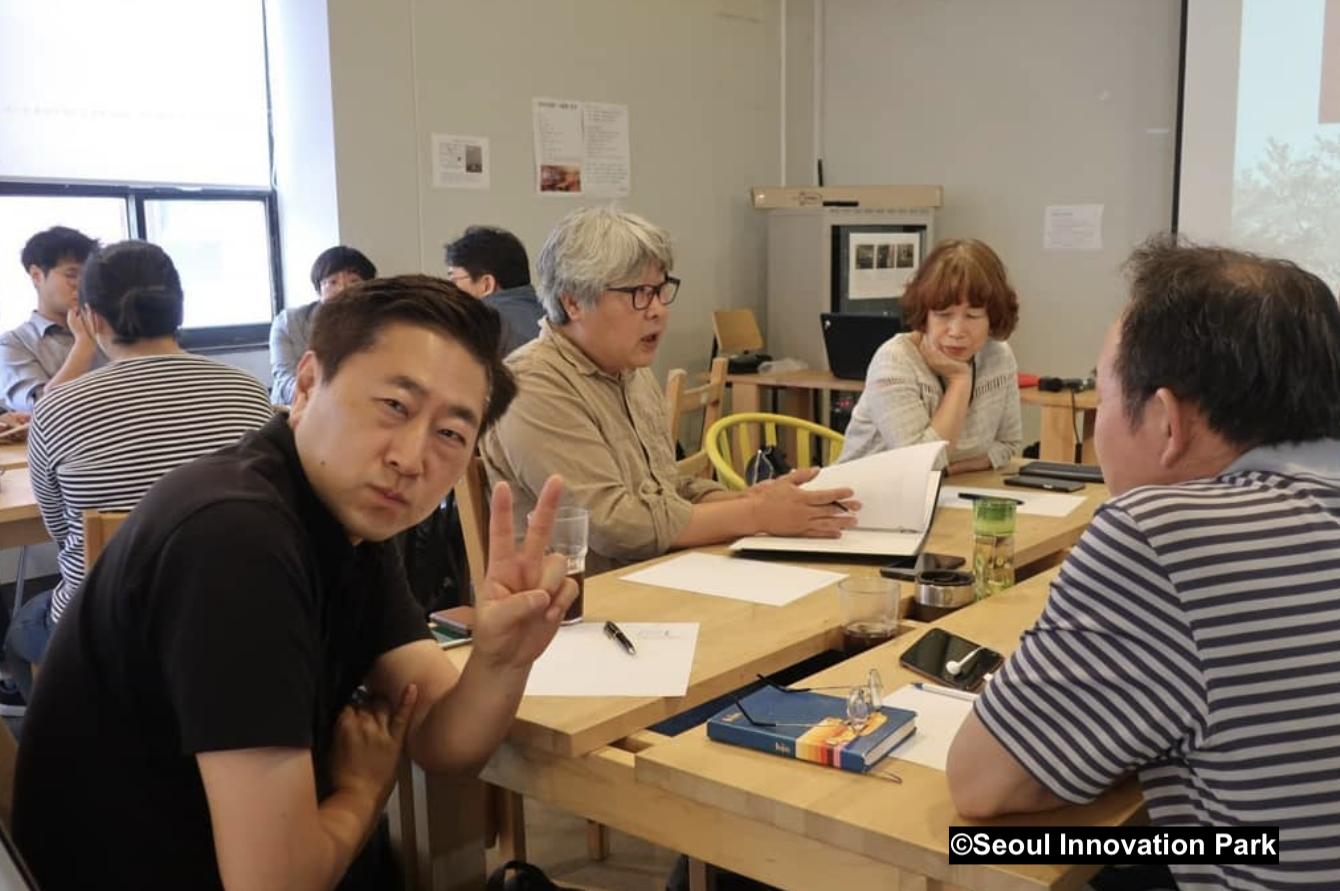
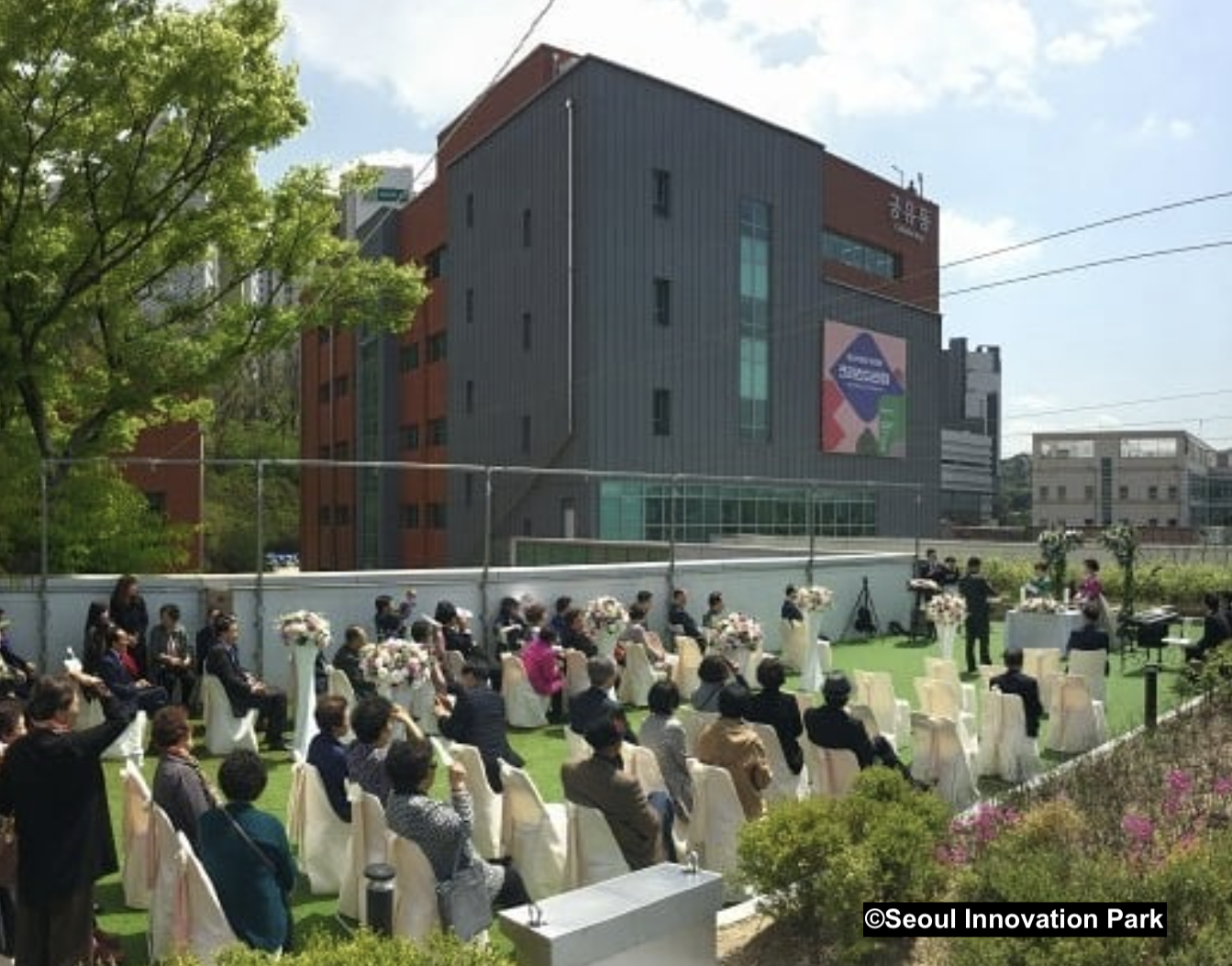
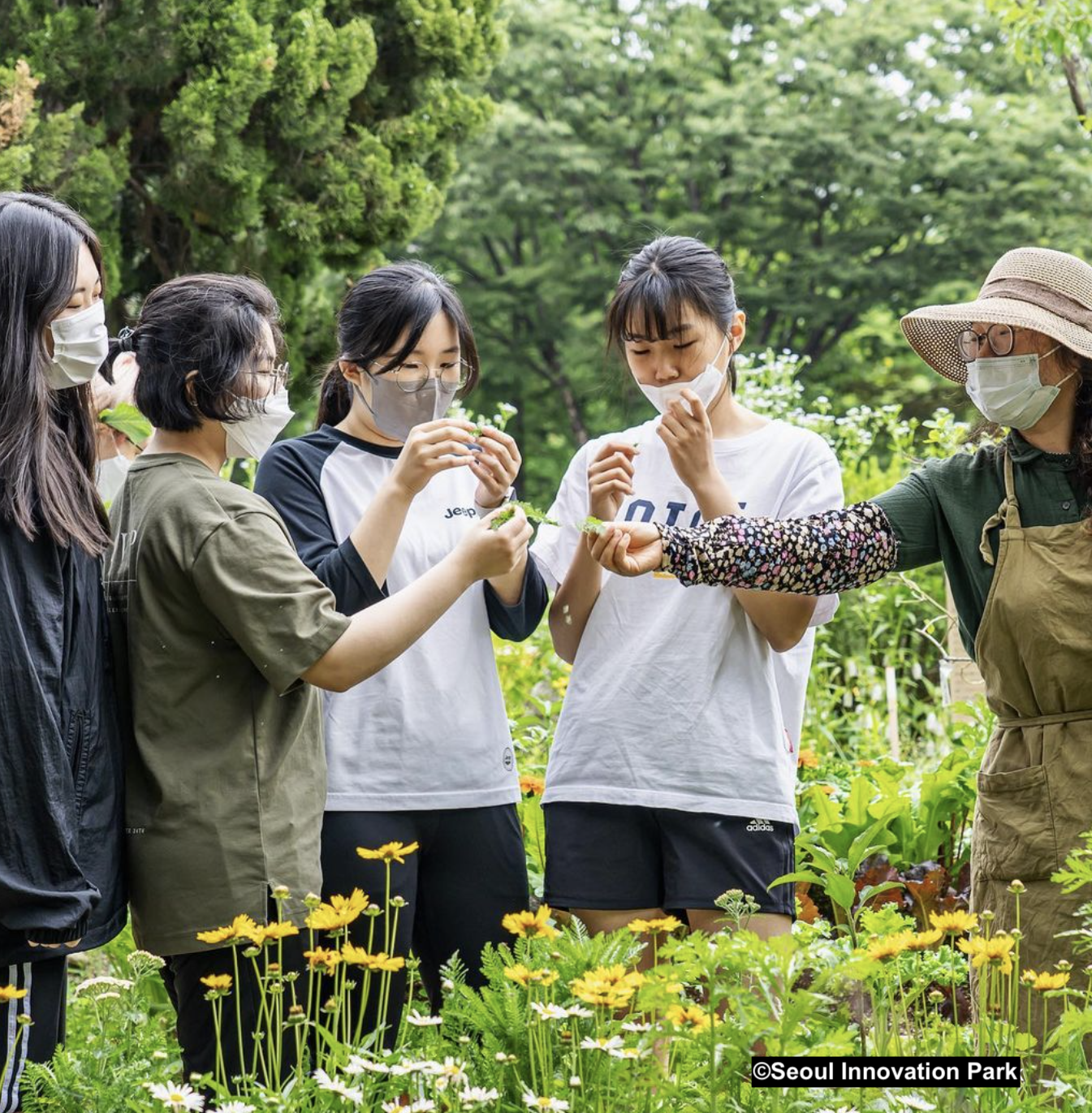
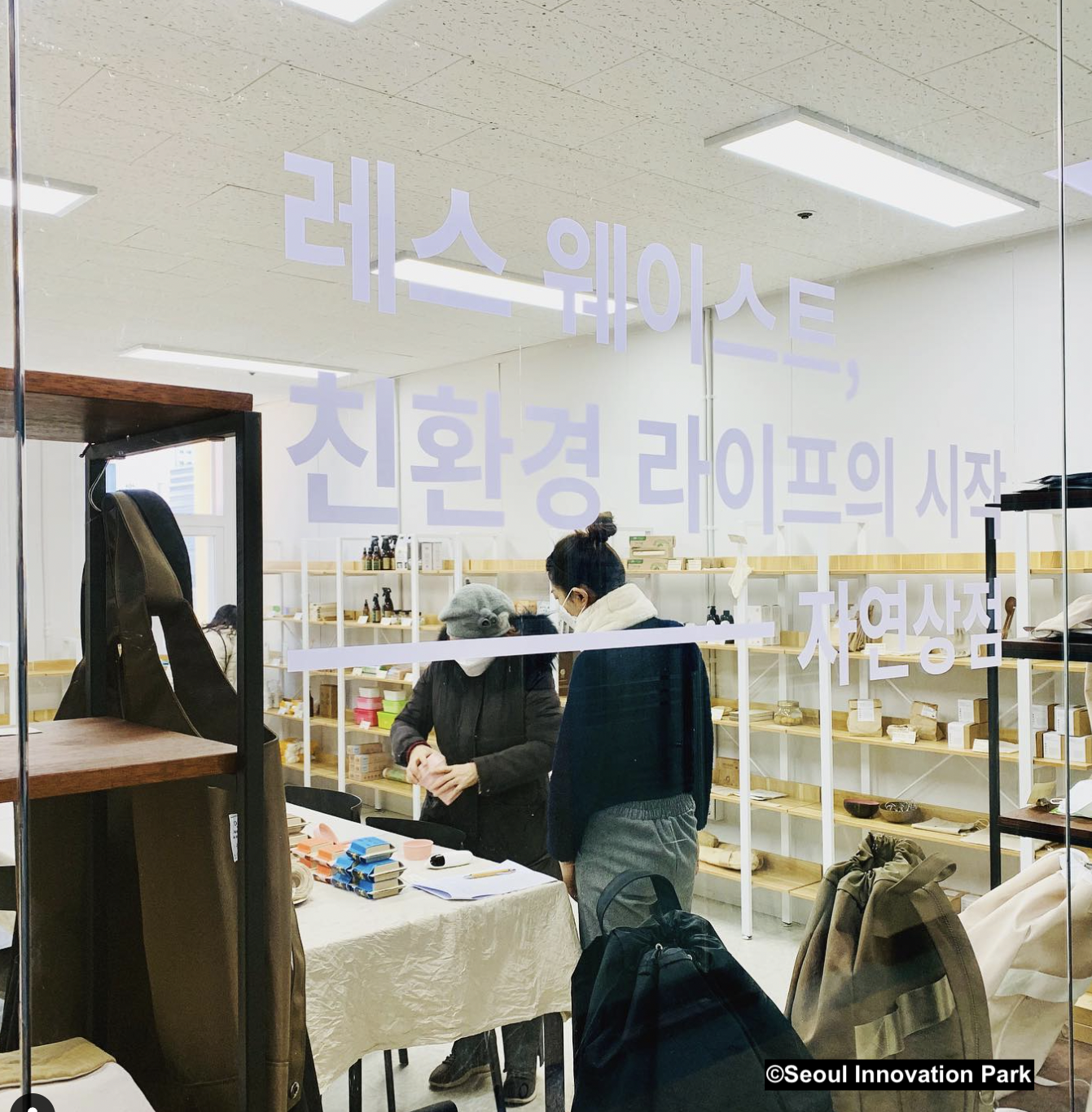
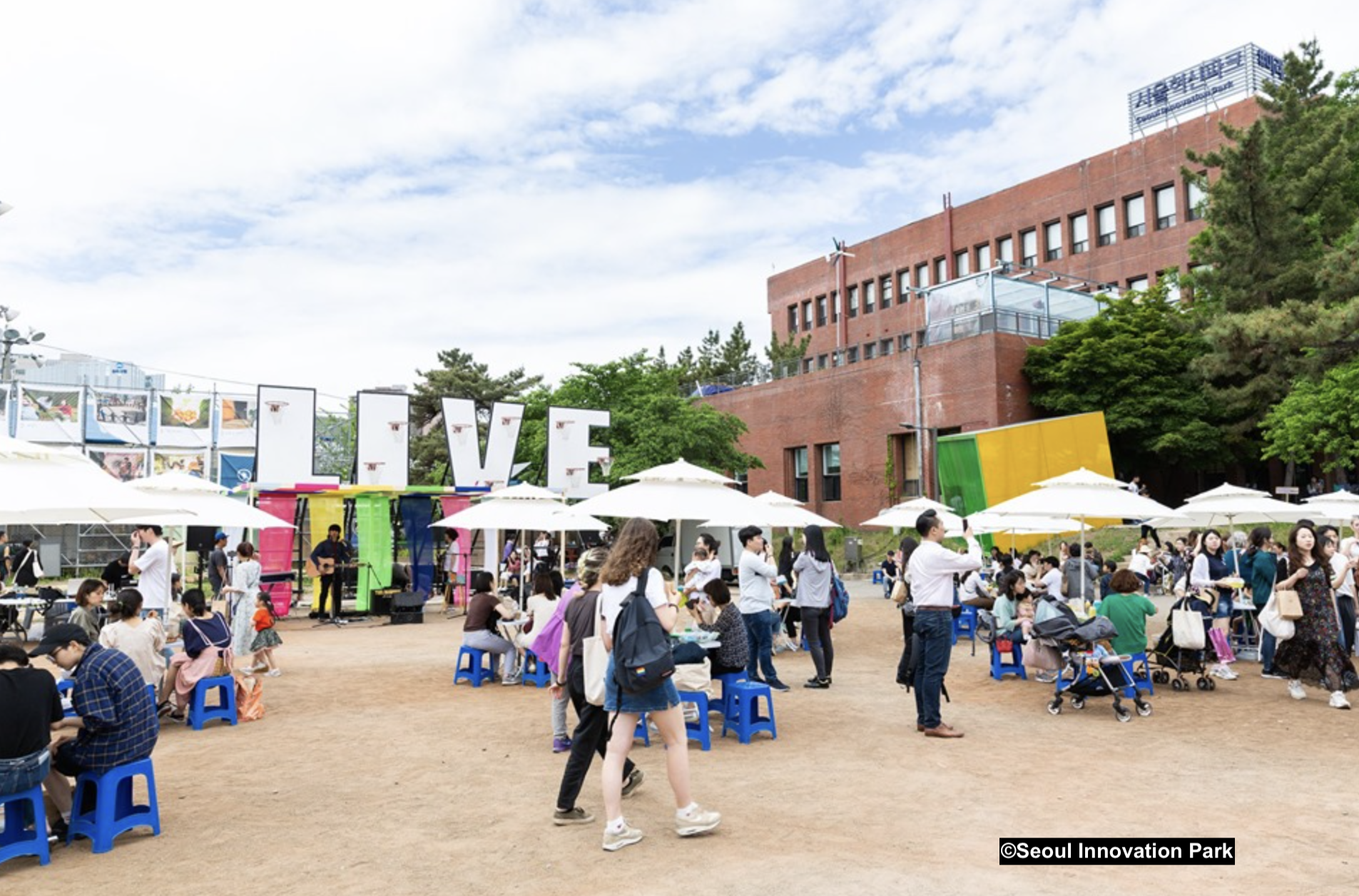
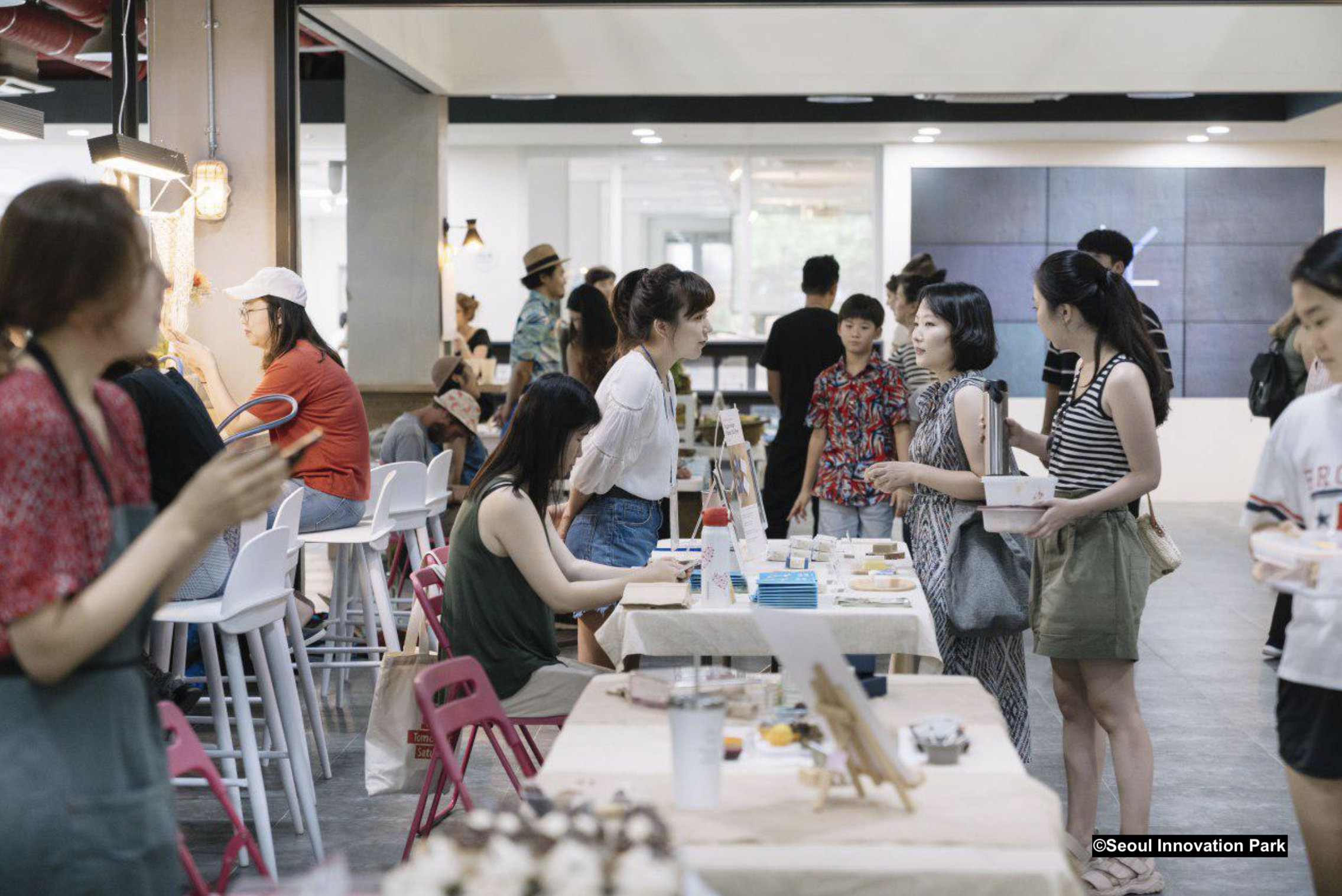
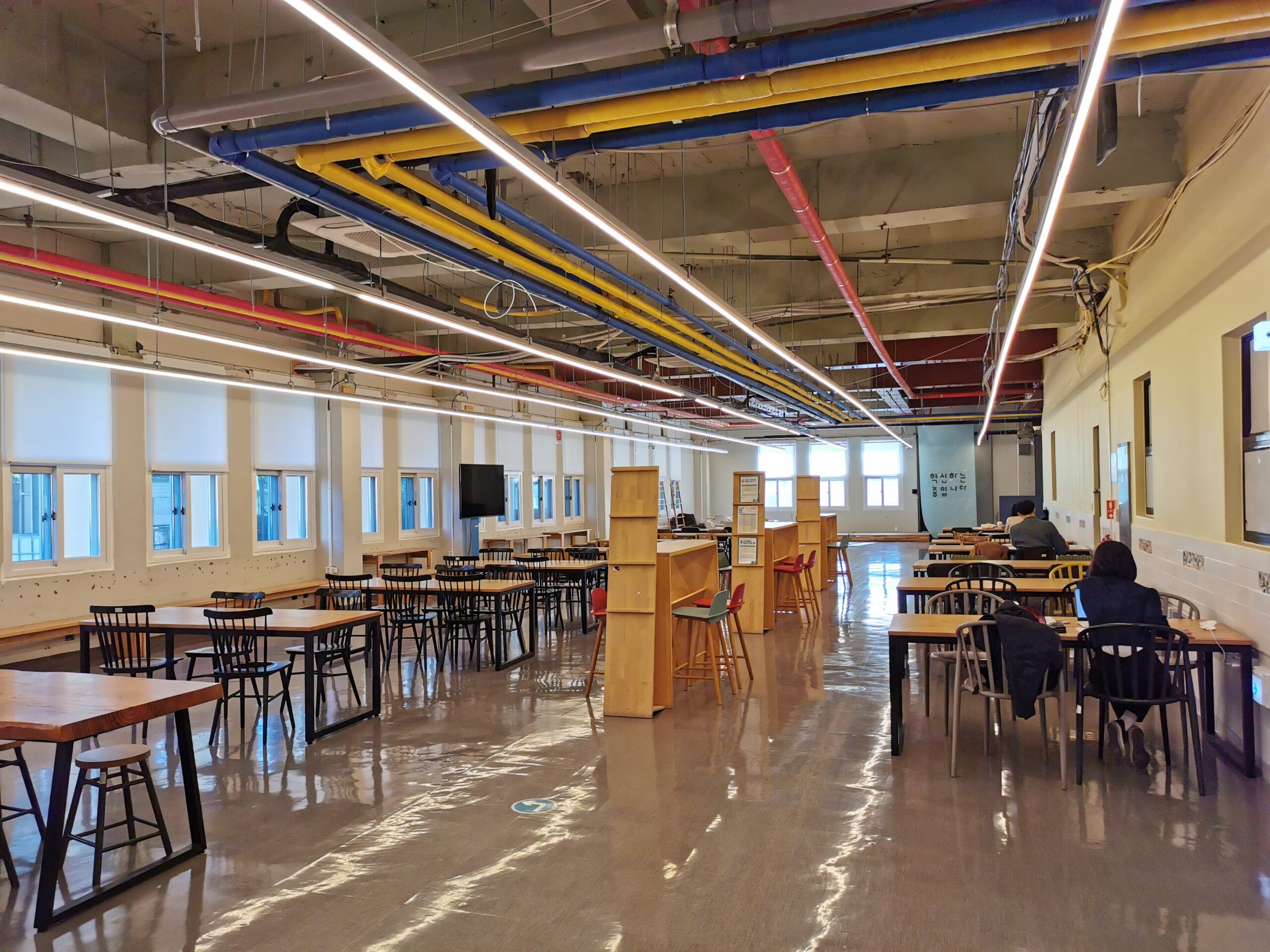
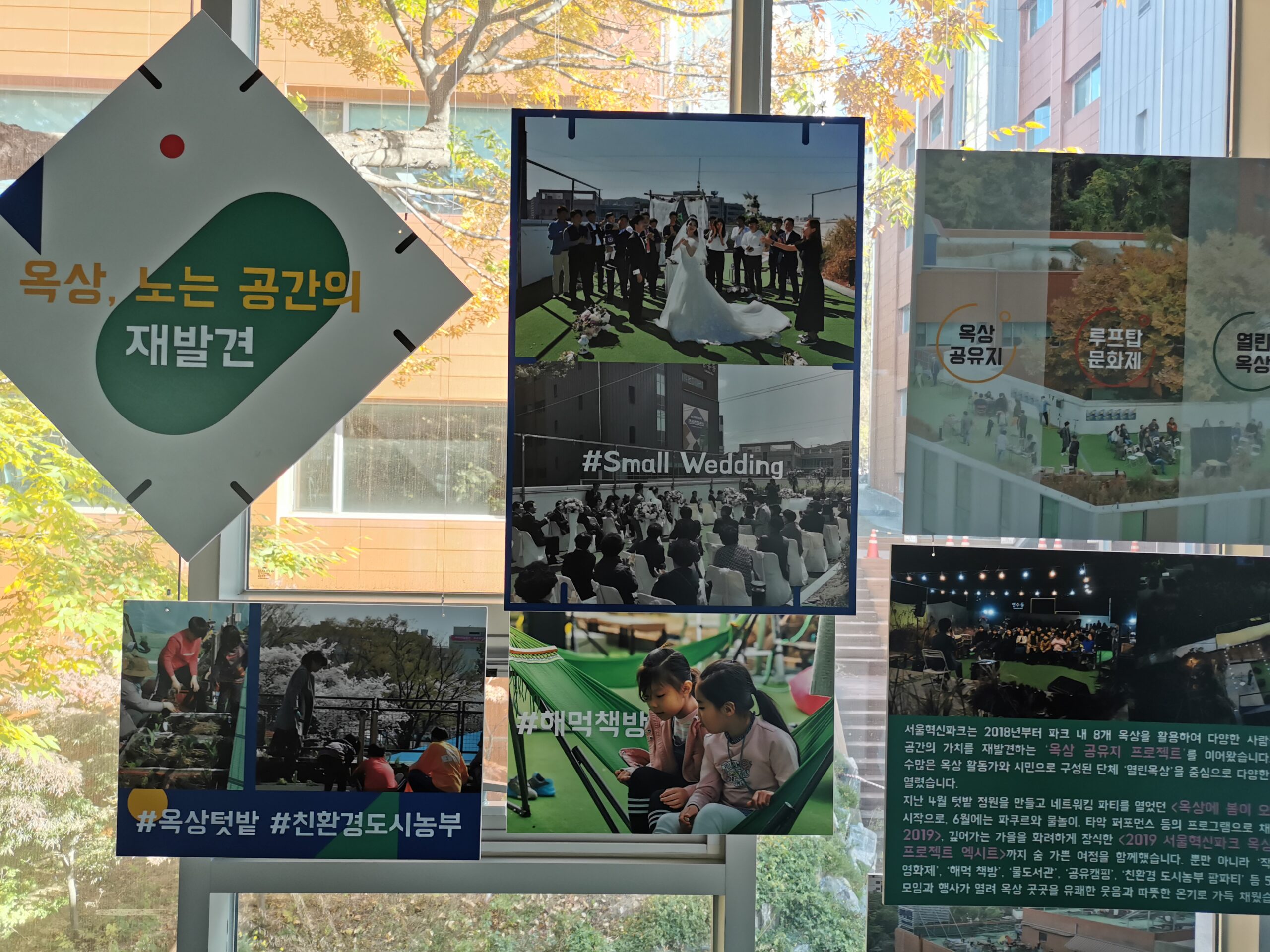
To facilitate people meeting, enjoying and working together, the Park has designed three types of spaces: 1. Those open to the public - outdoor areas, cafes, spaces that can be rented for meetings, and others that are free to use, such as rooftop terraces that people can book for events like weddings or meetings, etc. 2. Offices, conference and meeting rooms that the Park rents out to "residents" or "tenants", i.e., collectives and organizations that the Park selects (two per year) if they demonstrate in their application that they are not seeking to profit and have a project to address social needs related to the Park's priorities (Seoul's energy and food self-sufficiency) or sustainable development goals. Today, the Park houses projects related to education, environmental protection, energy, manufacturing, architecture, human rights, and many more topics. One of them, for example, is the Odyssey School, which teaches high school students about social change and innovation through practical experiences during one year, with the help of teachers who are or have been entrepreneurs, many of them residents of the same Park. 3. Workshops that offer facilities and machinery that citizens can use if they demonstrate their commitment to use them for social good instead of personal profit. Examples of such workshops include the carpentry workshop and the plastic recycling workshop. These workshops are staffed by professionals who provide courses, guide visitors, and organize tours for students to learn about innovative ways of using materials to prevent waste. Residents can also utilize these spaces and resources to fulfill their own project needs. To take advantage of all these spaces, the Park provides parking lots, ATMs, a post office, lactation rooms, etc. available to all.

Could strategies like these make my project more self-sustainable? click
- Supports the work of innovators.
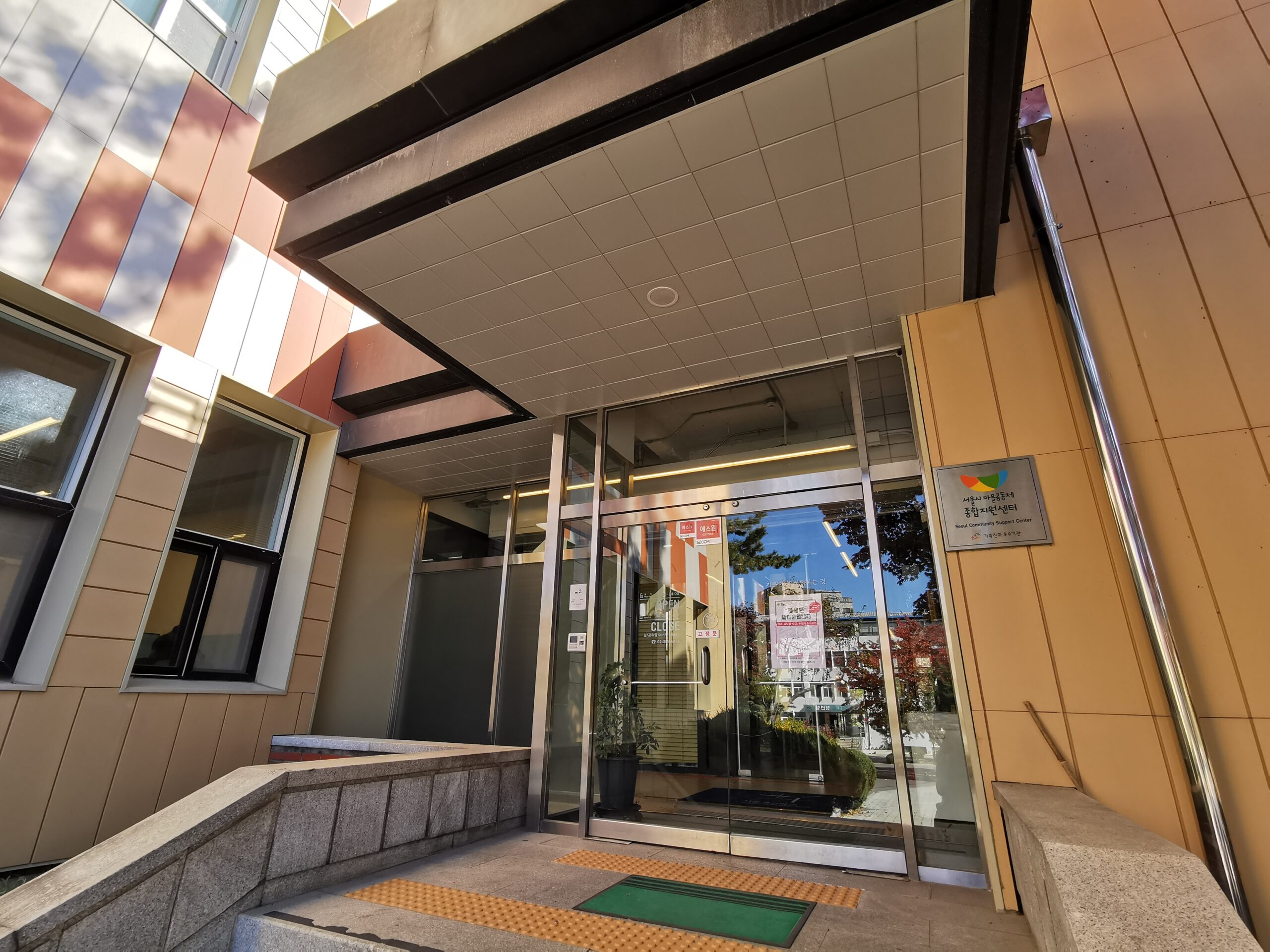
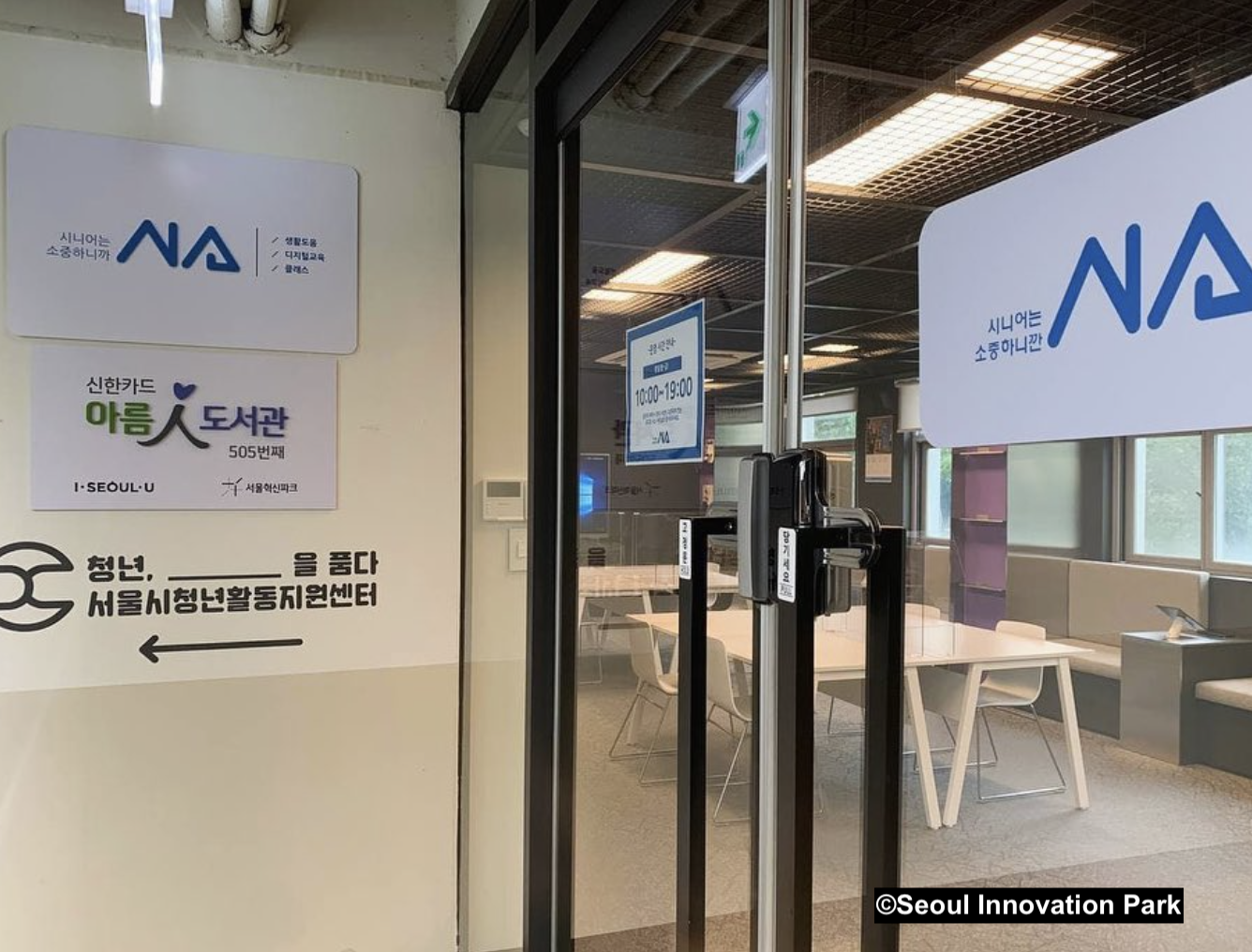
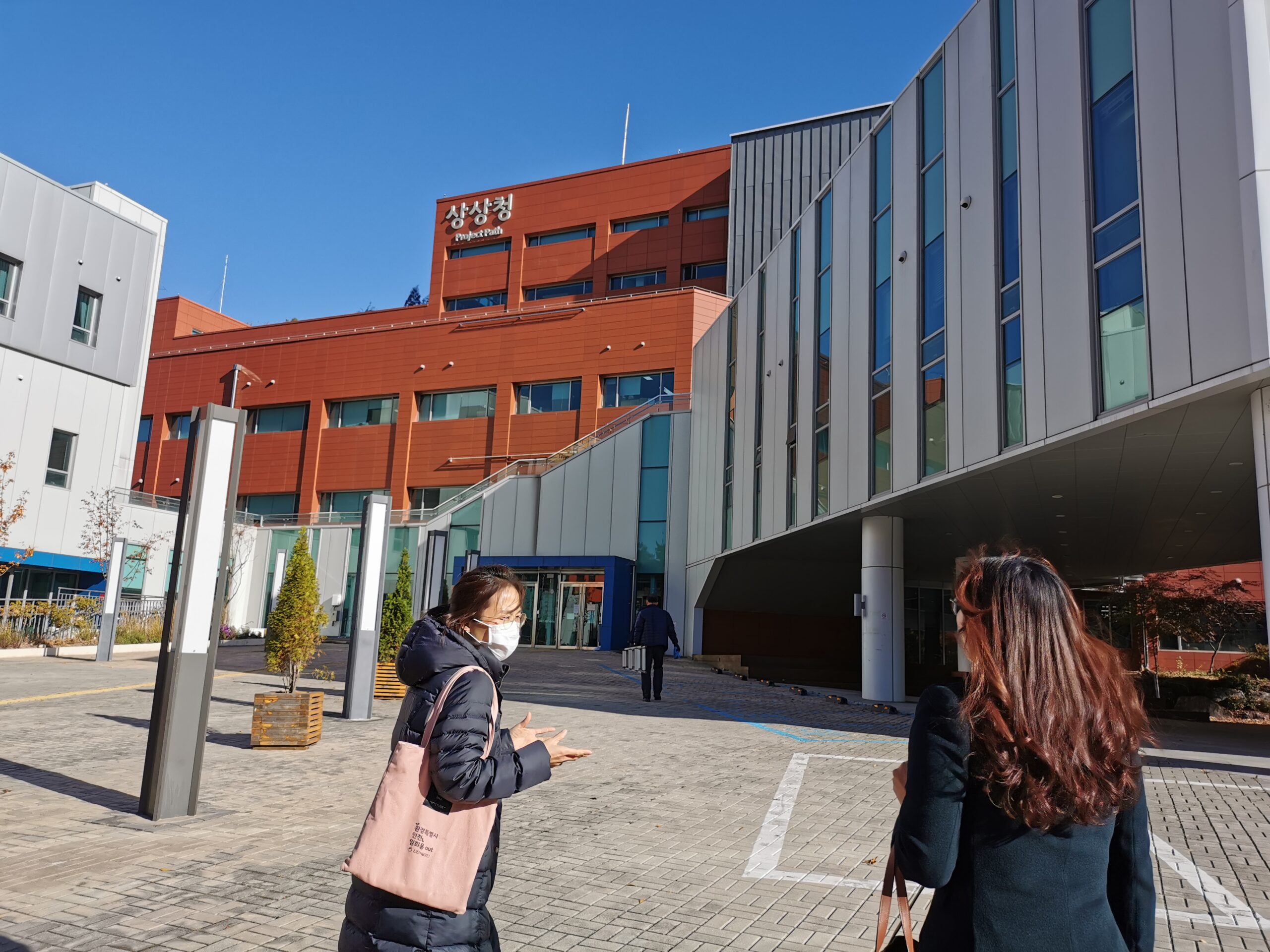
At its facilities, the Park has opened branches of several government agencies (such as the Seoul Social Housing Support Center, the Seoul Co-op Support Center, the Seoul Northwest District Working Mom Support Center, etc.) to serve as Support Entities for residents that assist them and promote multisectoral projects such as the Energy Transition initiative, in which they are exploring alternatives to reduce energy loss in old buildings, for example.
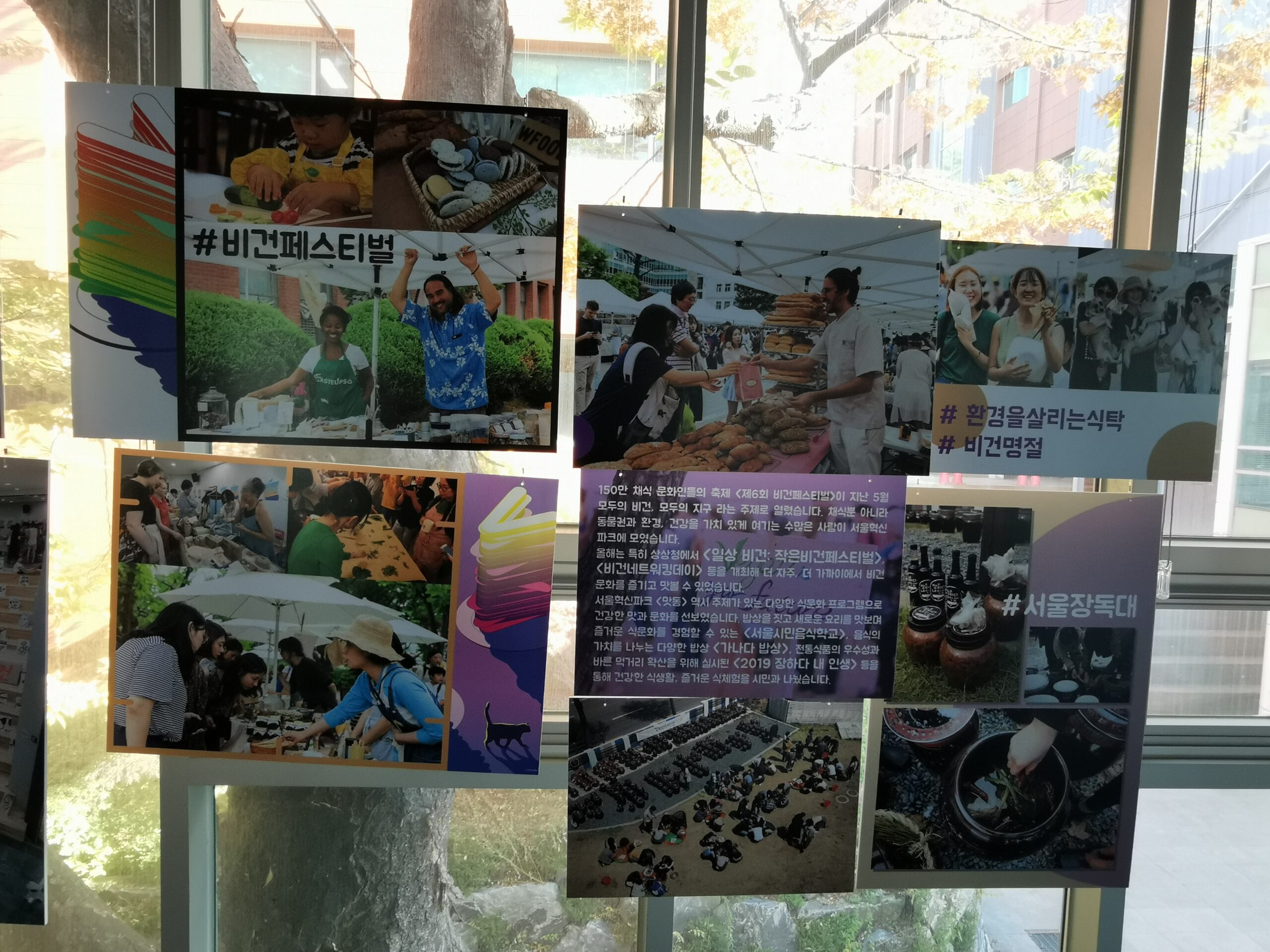
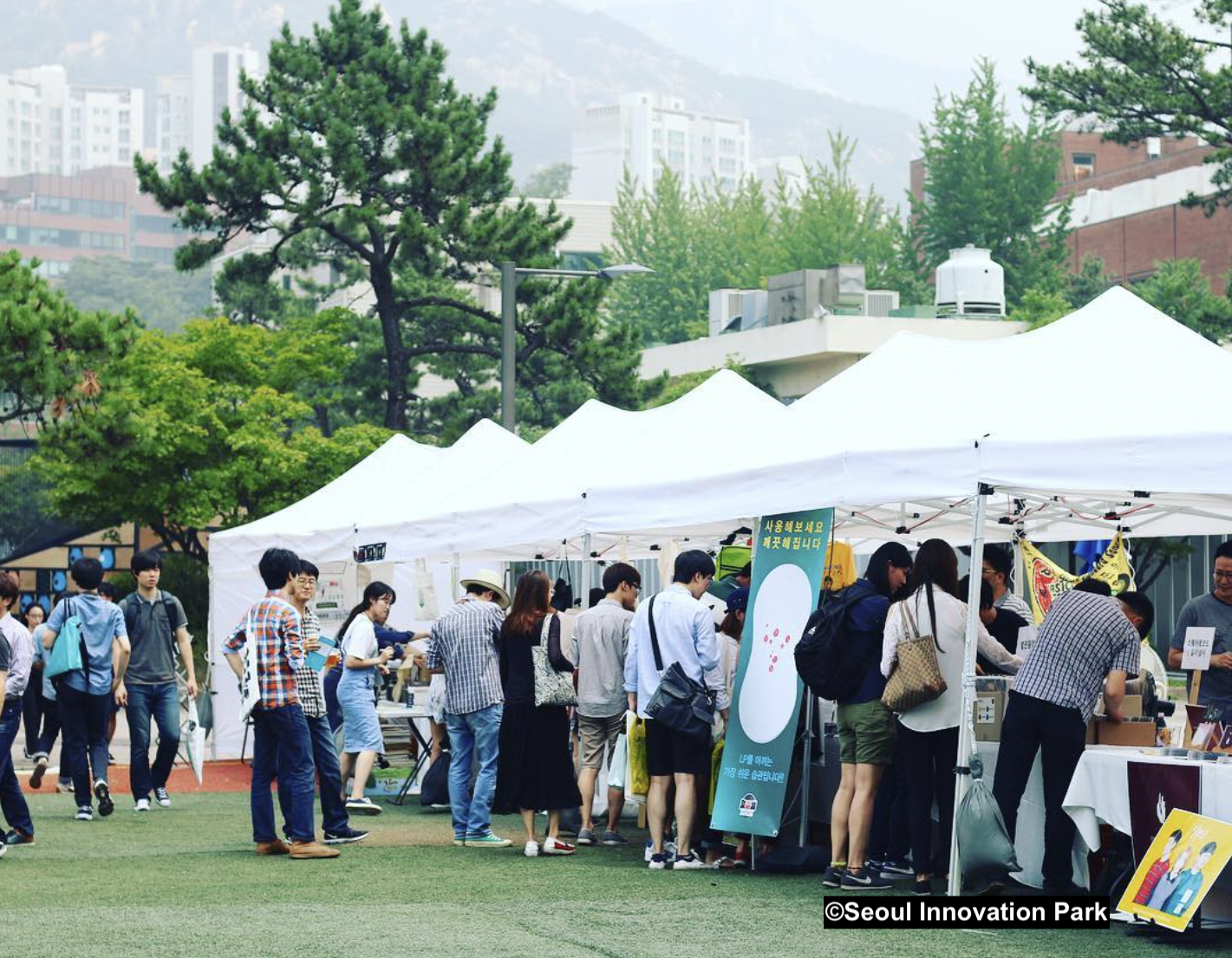
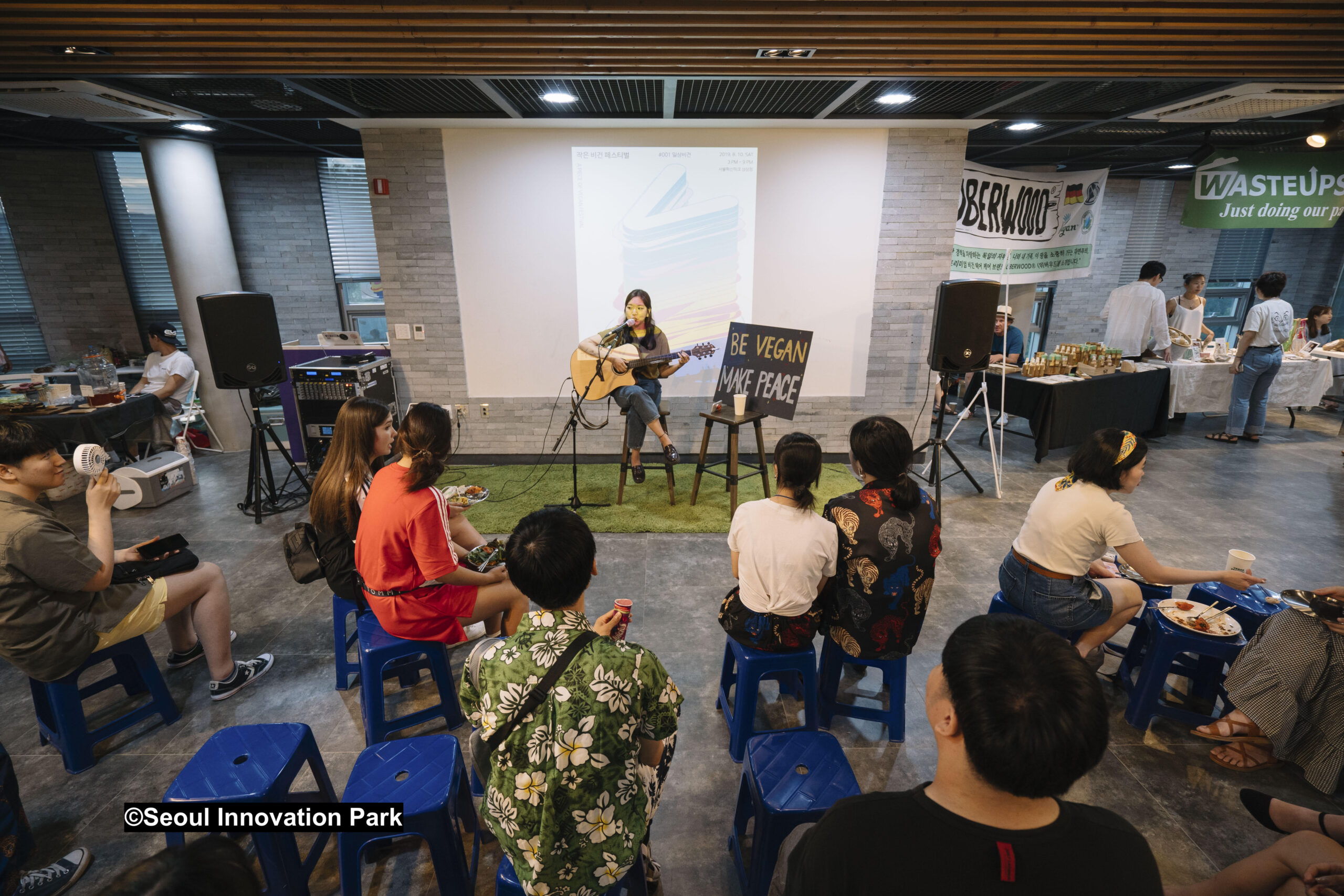
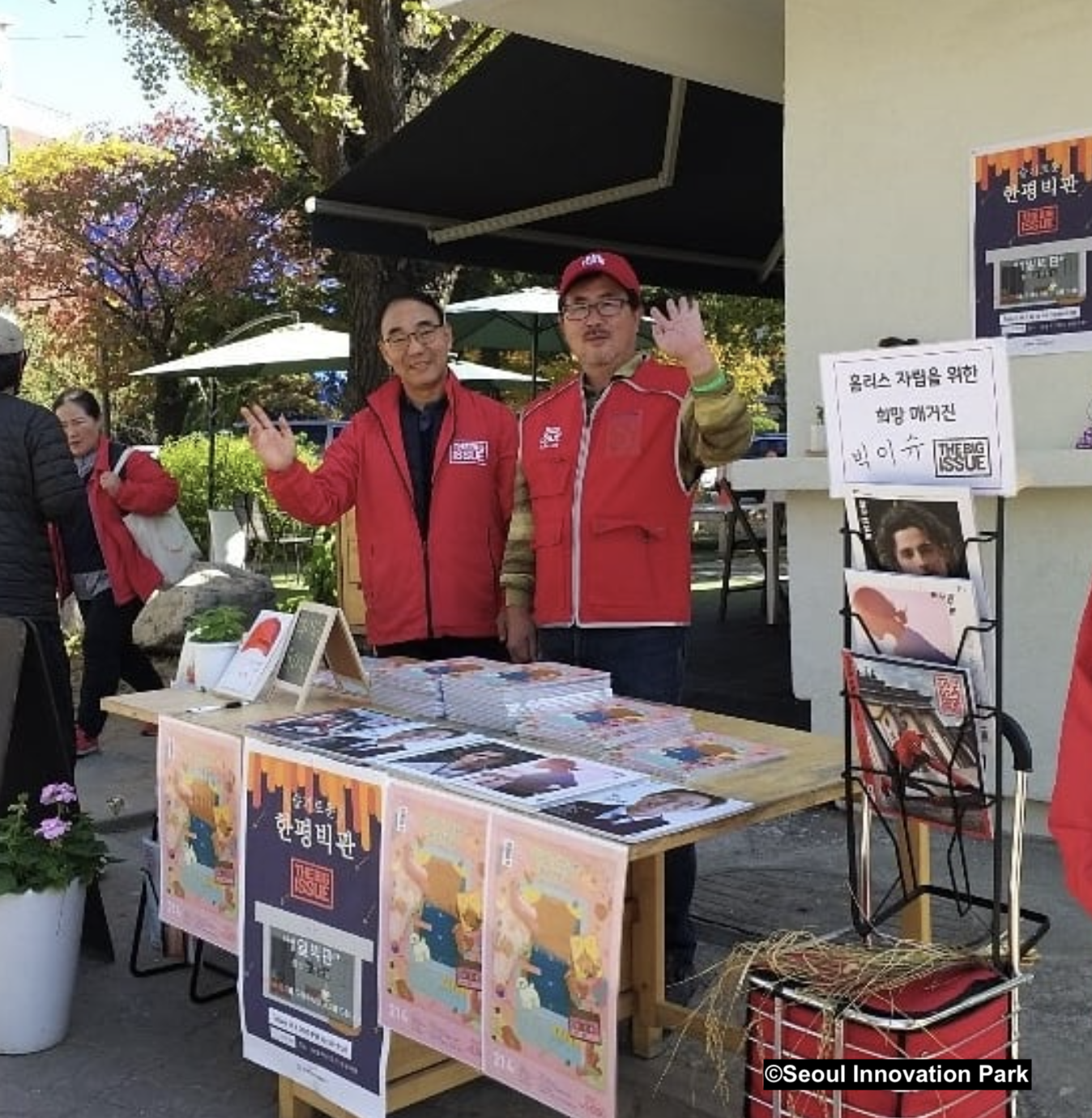
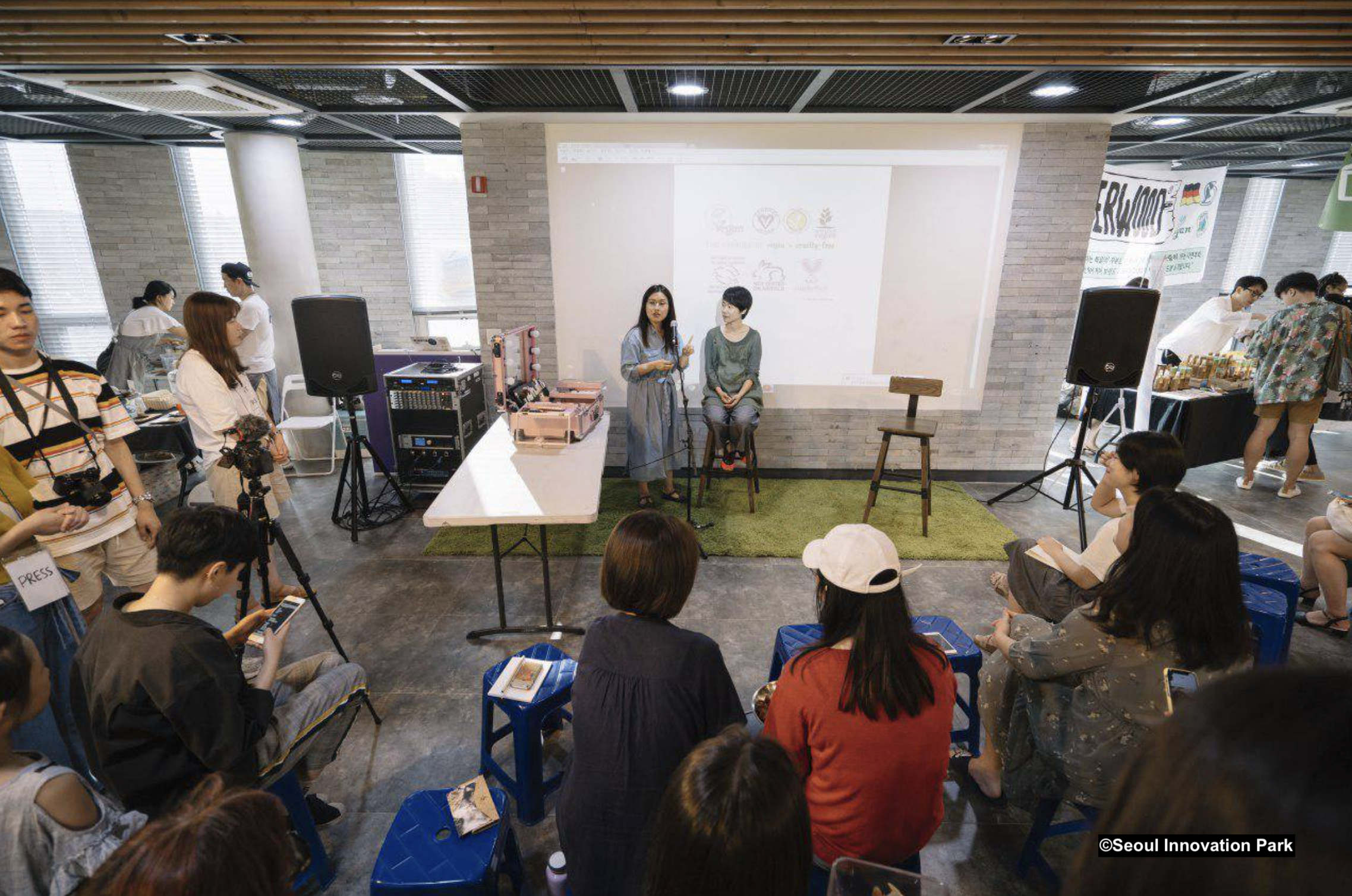
The Seoul government hires a private company to manage the Innovation Park and coordinate all this work. The Seoul Innovation Center, as this company is called, is responsible for managing the space, organizing activities and awareness campaigns with citizens (vegan fairs to raise environmental awareness with fun activities, for example), convening support offices, selecting residents, and coordinating collaborative projects to support them.
Could strategies like these make my project more self-sustainable? click
As a project of the city government, the financial sustainability and very existence of Seoul Innovation Park depend on the political will of the government officials in power at the time. Firstly, because the Park operates with a public budget assigned by the government and has no own resources, as the rents received from the cafeteria and residents for the use of the space, parking fees, etc., have to be returned to the authorities. Additionally, because if a party without affinity to its project or with other interests takes over the government, it could terminate the project and assign the space to someone else. For this reason, the Park community is exploring ways to demonstrate that innovation takes time and that the networks and initiatives that have emerged from this project so far are very valuable for the city.
Could strategies like these make my project more self-sustainable? click
What can we learn from these strategies to promote participation and innovation to solve our problems?